When it comes to high-maintenance pets, the ferret often tops the list. But is this reputation justified? This article will look closely at what makes ferrets high-maintenance and whether they truly deserve this label. We’ll also provide tips on caring for a ferret if you decide to add one to your family. So, read on to find out more!
Ferrets are high-maintenance pets. Exercise and attention are essential for them. Suppose you’re not prepared to put in the work. Then ferrets may not be the right pet for you. However, if you’re up for the challenge, ferrets can make great companions and provide hours of entertainment. Keeping these points in mind is important if you’re thinking of getting a ferret:
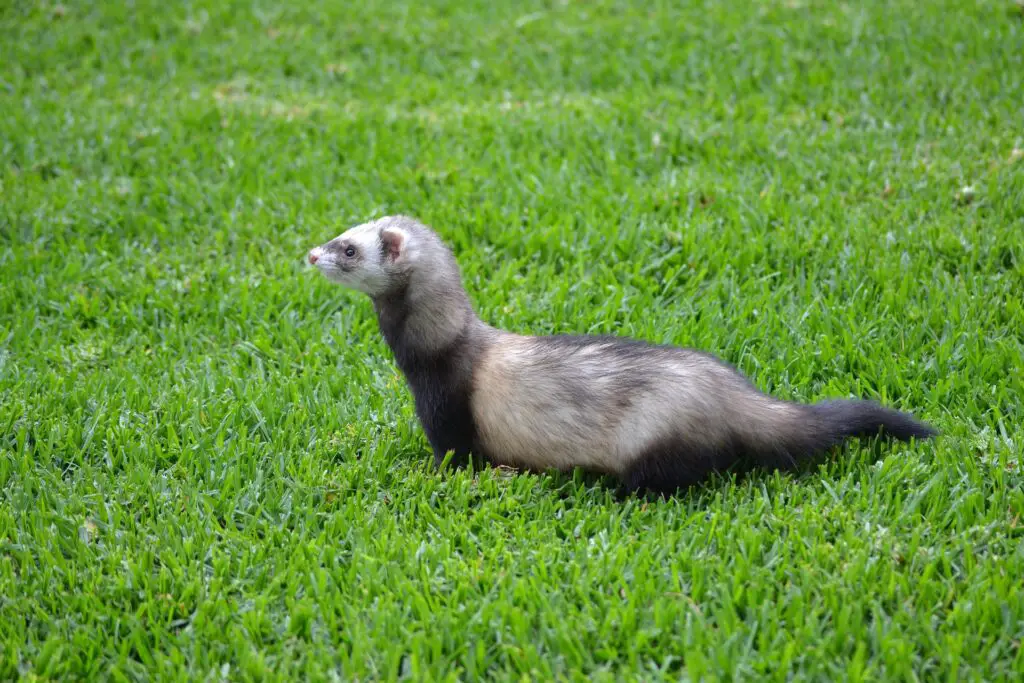
Ferrets aren’t your typical pet like a cat or dog. Instead, they’re much more hands-on pets requiring much attention and care. Having said that, let’s look at what you’ll experience if you decide to add a ferret to your family.
Why are ferrets classed as high-maintenance pests?
Ferrets are often classified as high-maintenance pests for a variety of reasons. For one, they reproduce quickly and can have up to 12 kits per litter. This means that a ferret population can spiral out of control very rapidly if they are not spayed or neutered. Additionally, ferrets have a high metabolism and require a lot of food. They must also be provided with a stimulating environment or become bored and destructive. Finally, ferrets have a strong odour that some people find unpleasant. All these factors combine to make ferrets challenging for even the most dedicated animal lover. Consequently, it is no wonder many people consider them high-maintenance pests.
Here are a few things to keep in mind if you’re thinking of getting a ferret:
1. Ferrets need a lot of exercises
Ferrets are very active animals and need to be given plenty of opportunities to run around and play. An excellent way to provide this is by setting up a ferret-proofed room or area in your house where they can play and explore. You should also take your ferret out on a harnessed walk and lead every day.
2. Ferrets need to be fed a high-quality diet
Ferrets have a very high metabolism and require a diet to maintain their busy bodies, food containing a lot of protein and fat can supplement their energy. The best way to provide this is by feeding them high-quality ferret food to meet their nutritional needs. Additionally, you should occasionally give them raw meat or treats to supplement their diet.
3. Ferrets need to be spayed or neutered
As we mentioned, ferrets reproduce quickly and can have up to 12 kits per litter. This means that a ferret population can spiral out of control very rapidly if they are not spayed or neutered. Spaying or neutering your ferret will help control their population and make them more manageable as pets.
4. Ferrets have a strong odour
Ferrets have a strong musky odour that some people find unpleasant. This odour comes from the ferret’s skin and is used to mark their territory. A ferret-specific shampoo can help control it to some extent. You can do this by bathing your ferret regularly and using a ferret-specific shampoo. However, it is essential to note that even well-groomed ferrets will still have a strong odour.
5. Ferrets require a lot of care and attention
Ferrets are not the type of pets that can be left alone for hours on end, locked in a cage. They require a lot of attention and out-of-cage time. In addition, they must be fed a high-quality diet, have plenty of fresh water, and receive regular veterinary care. They also need plenty of toys and exercise to keep them occupied and healthy.
What maintenance do ferrets require?
- Good-sized habitat: A good-sized habitat for a ferret is at least (24″x24″x18″inch) (60x60x45cm) (1.96×1.96×1.47Ft). This minimum amount of space does not include extra room for toys, play areas, or litter boxes.
- Bedding or a Hammock: Ferrets also need a comfortable place to sleep as they can sleep up to 18 hours every day. Bedding can be any soft material, such as fleece, towels, or blankets. A hammock can also be used for bedding and is a popular ferret choice.
- Litter box and litter: Ferrets also require a litter box and litter. Litter can be any material that absorbs moisture, such as sand, kitty litter, or wood shavings. You should have more than just one litter box, so a good idea would be to set up a few litter boxes that should be kept in the corners of the house to avoid accidents.
- Ferret food that is of good quality: Ferrets are carnivores, and as such, they require a diet that is high in protein. A good quality ferret food will have a high percentage of animal protein as the main ingredient. The food is also important to be nutritionally balanced and provides all the vitamins and minerals your ferret needs to stay healthy.
- Ferret treats that are High-protein/low carbohydrate:
- Ferret treats that are high-protein and low in carbohydrates are a good choice for your ferret’s diet. Some good options include:
– Freeze-dried chicken or beef liver
– Freeze-dried shrimp
– freeze-dried salmon
– Sardines in water
- Good food bowl/water bottle: A good food bowl or water bottle is also essential for your ferret. The food bowl should be deep and wide so the ferret can’t quickly move the food around. The water bottle should have a sipper tube that is difficult for the ferret to chew through.
- Safe, stimulating toys: Ferrets love to play and need plenty of toys to keep them entertained. Some safe and stimulating toy options include:
– Plastic balls
– Soft rubber toys
– Tunnels
– Rope toys
– PetSafe® FroliCat™ BOLT™ Interactive Laser Toy
- Hiding places: Ferrets also need several hiding places to feel safe and secure. Some good options include:
– A cardboard box that has been cut in half
– A small pet carrier
– Hollowed out logs
– A PVC pipe
- Indoor playpen: If you want to create an indoor playpen for your ferret, one option is to attach a baby gate to keep them within a designated area. You can also use a wire mesh or metal crate that has been appropriately sized for your ferret.
- Harness and leash: You must use a harness and leash if you intend to take your ferret outside. A good harness will fit well and be comfortable for the ferret. The leash should be short so that you can keep control of the ferret at all times.
- Grooming brush/comb and nail clippers: A grooming brush or comb is vital for keeping your ferret’s coat healthy and free of mats. The nail clippers are also crucial for clipping your ferret’s nails, as they can grow long and sharp if not trimmed regularly.
- Ferret-safe shampoo: Ferret-safe shampoo can be used to clean your ferret’s coat. Be sure to rinse all the shampoo off thoroughly to avoid any irritation.