Ferrets are curious and playful creatures that need plenty of space to explore and play. So try your best to provide them with the biggest cage that you can afford. Bigger is always better when it comes to keeping your furry friend happy.
The recommended minimum size for a ferret cage is (24″x24″x18″inch) (60x60x45cm) (1.96×1.96×1.47Foot) but the bigger the better. Make sure your ferret has a place to hide, sleep and play. Try providing at least 2 hours a day out of cage time as these animals need to move around, and a cramped space can adversely affect your ferret’s health.
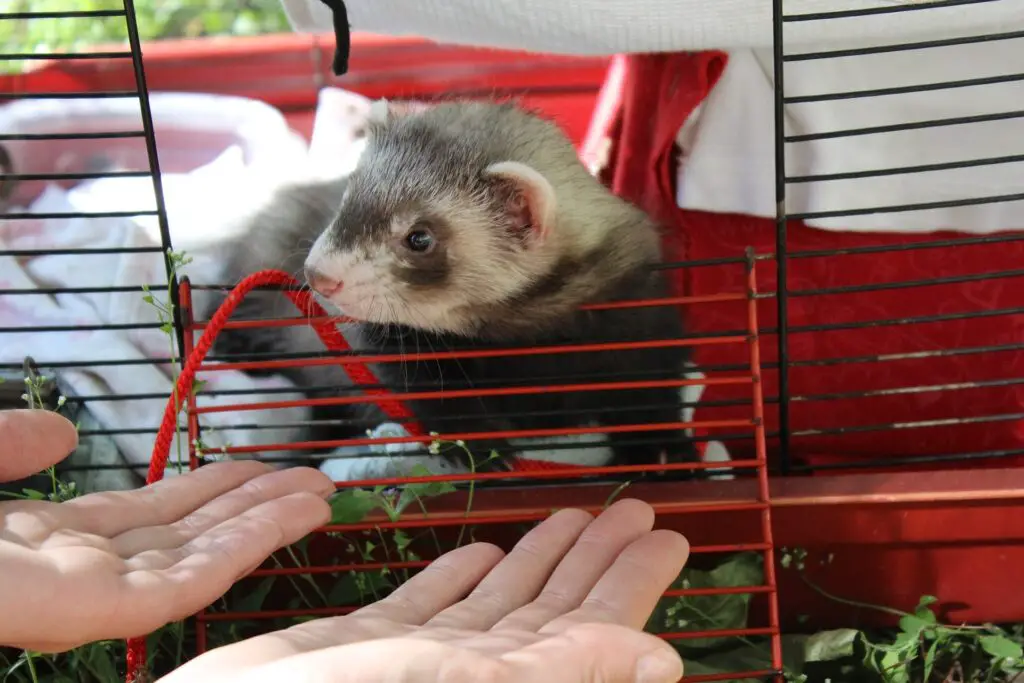
Ferrets are curious and cute, but they can also require that extra bit of care. A crucial decision regarding your ferret is their cage size, so have a read on as we cover all aspects regarding cages below.
What is the min size for a ferret’s cage?
The cage of a ferret should be at least 24 inches long, 24 inches wide, and 18 inches high. One thing you must remember is that ferrets are escape artists. They can squeeze through tiny openings and will find any way possible to escape their enclosure if they are bored. That’s why it’s crucial to have a secure ferret-proof cage. You can do this by ensuring no gaps or openings your pet could fit through. Cover the top of the cage as ferrets are known for climbing.
In terms of what material the cage should be made out of, wire is the best option as it allows for good ventilation and doesn’t hold onto smells. You can also get cages that are made out of plastic. However, these aren’t as ideal as they can be harder to clean and don’t have the same level of ventilation.
Different types of ferret cages
Different types of ferret cages are available on the market. The most popular kind of ferret cage is the wire cage, which is made of metal wires and has a plastic bottom. This type of cage is very versatile and can be customized to fit the needs of your ferrets. For example, you can add a shelf or a ramp to the cage to give your ferrets more space to play.
Another type of ferret cage is the plastic aquarium-style cage. This type of cage is less versatile than the wire cage, but it is more secure and easier to clean. Additionally, it won’t cause harm to your ferrets if they decide to chew on it.
Finally, there are also soft-sided cages available for ferrets. These cages are made from fabric and are very portable. However, they do not offer as much space as the other types of cages, and they are also more challenging to clean.
How many levels does a ferret cage need?
As any ferret owner knows, these playful and curious pets need plenty of room to run and explore. A cage with at least three levels is ideal, as it provides enough space for them to stretch their legs and climb around. A cage with fewer levels can be used for a younger ferret, but as they grow bigger, they require more space to move around. Not only is this important for their physical health, but also for their mental well-being. Ferrets are very active creatures, and a cramped cage can lead to boredom and behavioural problems. So if you’re thinking of getting a ferret, make sure you have enough space to provide them with a comfortable home.
Do I need a smaller cage in the winter?
As the weather turns cold, you may wonder if you need to provide your ferrets with a smaller cage. In many cases, the answer is yes. Ferrets are susceptible to temperature changes, and they will require less space to stay warm in the winter months. If you do not have a smaller cage available, you may need to consider bringing your ferrets indoors to keep them warm. Indoor ferrets should have a cage that is at least (24 “x24” x18 “inch) (60x60x45cm) (1.96×1.96×1.47Foot), with plenty of bedding material to burrow into. Taking these precautions can help ensure that your ferrets stay healthy and happy all winter long.

What are the benefits of having a large cage?
One of the benefits of having a large cage is that it gives your ferret plenty of space to move around. This is important as ferrets need plenty of exercise to stay healthy. A large cage will also help keep your ferret entertained, as they will have plenty of room to explore.
Another benefit of having a large cage is that it can help reduce stress levels. Ferrets are very active animals, and they may feel cooped up and stressed in a small cage. This can lead to health problems such as digestive issues and behavioural problems. A larger cage will give your ferret the space they need to run and play, helping to keep them healthy and happy.
If you are considering getting a ferret, be sure to choose a cage that is big enough for them to thrive. Ferrets are active animals and need plenty of space to move around. Choose a cage that is at least (24″x24″x18″inch) (60x60x45cm) (1.96×1.96×1.47Foot), with multiple levels if possible. This will give your ferret the room they need to exercise and play.
What happens if my ferret cage is too small?
A small cage is not only cruel to your ferret, but it can also cause health problems. Your ferret needs space to move around and play. A small cage will limit their movement and cause them to become stressed or anxious. This can lead to health problems, such as urinary tract infections, respiratory problems, and even heart disease. Additionally, a small cage can limit your ferret’s activity and cause them to become bored, which can also lead to health problems. Ferrets are active animals and need to get plenty of movement to match their high-protein diet. Lack of either or will definitely affect them adversely. Please give your furry friend the space they need by getting them a large enough cage to move around freely. It is not only the right thing to do, but it is also crucial for their health.
What size cage do I need for my ferret to be happy?
Ferrets are active, playful creatures that need plenty of space to explore and run around. A minimum cage size of (24 “x24” x18 “inch) (60x60x45cm) (1.96×1.96×1.47Foot) is recommended, but if you have the room, a larger cage will be much more enjoyable for your ferret. Ferrets are also social animals, so if you have the space, it’s a good idea to get two ferrets so they can keep each other company. Just ensure to get two of the same sex ferrets, as male and female ferrets can breed quite quickly. When choosing a cage for your ferret, also make sure to pick one with sturdy bars that your ferret can’t escape from. Ferrets are notorious escape artists, so a well-constructed cage is essential. With the right cage and some love and attention, your ferret will be happy and healthy for years to come.

Do I need a separate cage for the outside?
Any pet owner knows that keeping an animal confined is vital for both the pet’s safety and the owner’s peace of mind. When it comes to ferrets, this is particularly true, as these furry critters are notorious escape artists. But many ferret owners don’t realize that ferrets also need time outside their cages to explore and play. So, the question becomes, do you need a separate enclosure for your ferret’s outdoor adventures? The answer is no – as long as you take some precautions. First, make sure that your ferret’s outdoor cage is escape-proof. Second, provide plenty of toys and enrichment items to entertain your furry friend. And finally, never leave your ferret unattended – not even for a minute! Following these simple steps will give your ferret the best of both worlds – a secure indoor cage and the opportunity to explore the great outdoors.
Do I need a travel cage for my ferret?
If you’re planning on travelling with your ferret, you’ll need to bring along a travel cage. This should be big enough for your ferret to move around in and have a comfortable place to sleep. Cat carrier cages are quite popular for this task. Make sure that the carrier has plenty of ventilation and that the door is big enough for it to get in and out of easily. You’ll also need to pack some food and water for your ferret, along with any bedding and toys that will entice your pet to stay. Ferrets are notoriously curious creatures, so it’s also a good idea to bring along a few distractions to keep them occupied during the journey. With a little planning, travelling with a ferret can be a fun and stress-free experience.
What size cage do I need if I have multiple ferrets?
Ferrets need a lot of space to run around and play, so if you have multiple ferrets, you will need a much larger cage. A good rule of thumb is to have at least four square feet of space per ferret in the cage. They will be able to move around and play. In terms of levels, the more ferrets you have in a single, the more levels you can provide, the better. This will keep your ferrets much happier and will thrive even if left alone for long periods. When food and water are readily available, they will all get on just fine.
Can I use a chicken coup for my ferrets?
While a chicken coup can make a suitable home for a ferret, it’s essential to make sure that there are enough modifications made to the structure in order to ensure the safety of the ferret. You may need to add a Ferret-proofing top, as ferrets are known to be great escape artists, as well as shelves and ledges that will allow the ferret to play and explore.
Ferret enclosures
Ferrets are creatures of habit and routine. They like to have a safe place to call their own where they know they can go to relax and feel secure. A ferret enclosure is a perfect way to provide your ferret with its own space. Ferret enclosures come in a variety of sizes and styles, so you can find one that is perfect for your home and your ferret’s needs. When selecting a ferret enclosure, be sure to choose one that is big enough for your ferret to move around freely. Also, be sure to include items such as a litter box, food and water dishes, and toys to keep your ferret entertained. By giving your ferret their own space, you are providing them with a sense of security and routine that they will appreciate.
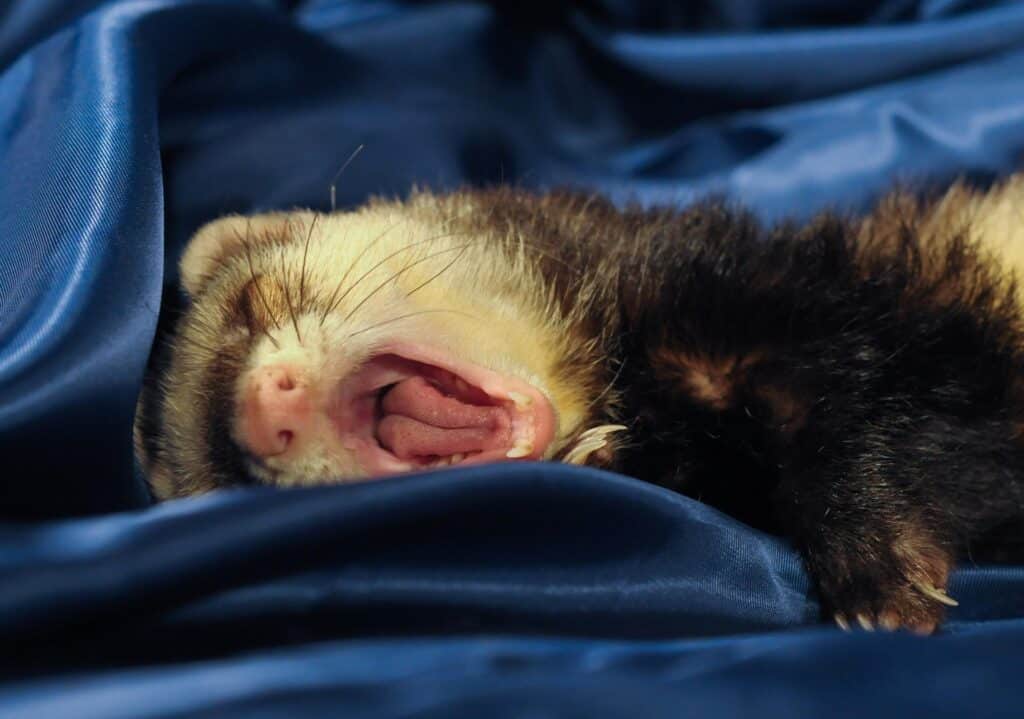
Can ferret escape their cage?
Ferrets are incredibly curious creatures and can easily escape their cages if given a chance. Therefore, it’s essential to ensure that your ferret’s cage is secure and that there are no loose screws or panels they could squeeze through. If you’re not confident that your ferret can’t escape, consider purchasing a larger cage or using a playpen as a temporary enclosure.
Can ferret live cage-free
There is debate over whether ferrets should be kept in cages. Some people believe that ferrets should be able to roam free in their houses, while others think that they should be kept in a cage at all times. Ultimately, it is your choice. If you are confident that your ferret will not escape or will only roam around a portion of your home, go for it but always be cautious. Once these fuzzy creatures escape, due to their ignorance of the open world, many accidents can happen, not to mention possible predators that await, so always be cautious.
Ferrets are active, inquisitive creatures that require a lot of room to run about and play. If you don’t provide them with the right sized cage, they may become bored or restless, which can lead to adverse effects like chewing on furniture or wires. So make sure to give your ferret a spacious home where it can roam and play to its heart’s content. And be sure to enjoy your furry friend!