Ferrets are considered carnivores, so their diet is mostly meat-based. But that doesn’t mean they can’t eat human food – in fact. There are some human foods that ferrets can enjoy moderately. Keep reading to learn about some of the best human foods for ferrets.
Certain human foods are safe for ferrets to eat, while others are not. In general, ferrets should stick to a high-quality diet specifically designed for them, but there are some exceptions. If you’re wondering whether or not a certain food is safe for your ferret, consult with your veterinarian.

In addition to being curious creatures, ferrets also enjoy exploring their surroundings. This can often lead them into trouble, including getting into your garbage can or demanding attention while you’re eating. While giving your ferret a piece of your food may seem harmless, it’s important to understand that ferrets have a different digestive system than we do, and they can’t process certain foods the same way we can.
What to consider when feeding your ferret?
The diet of ferrets should consist mainly of meat-based proteins since they are carnivores. Vegetables and fruits should only be given in small amounts, if at all. Chocolate, caffeine, alcohol, grapes, raisins, onions, garlic, and avocados are among the common human foods that are harmful to ferrets. In the event your ferret has eaten something it shouldn’t have, you should contact your veterinarian as soon as possible. Symptoms of toxicity can include vomiting, diarrhoea, lethargy, and seizures. In severe cases, toxicity can be fatal. To keep your pet healthy and safe, stick to their regular diet despite the temptation to share your lunch.
Can ferrets eat human food and drink human drinks?
A ferret’s digestive system is not designed to process plant-based foods. In fact, feeding a ferret a vegetarian diet can lead to serious health problems. Additionally, ferrets are very sensitive to sugar, and it can be toxic to them in large quantities. As for drinks, water is the only beverage that is safe for ferrets to consume. Any other type of liquid, including milk, juices, and sodas, can cause dehydration and other health issues. So if you’re wondering what your ferret can eat or drink, the answer is simple: only give them water and meat-based foods.
What dangers do ferrets face when they are fed human food and drinks?
One of the dangers of feeding your ferret human food and drinks is that they might not be nutrient-dense enough for him. Your ferret could become malnourished, which can lead to a variety of health problems. For example, chocolate and caffeine can be lethal to ferrets, even in small amounts. Some human foods can also cause gastrointestinal problems, such as diarrhoea, vomiting and high blood sugar. Finally, feeding your ferret table scraps can create behavioural problems. Ferrets who are fed human food and drinks on a regular basis may develop picky eating habits and become aggressive when they don’t receive their favourite foods. In summary, there are several dangers associated with feeding your ferret human food and drinks. When making dietary changes for your ferret, you should consult a veterinarian first.
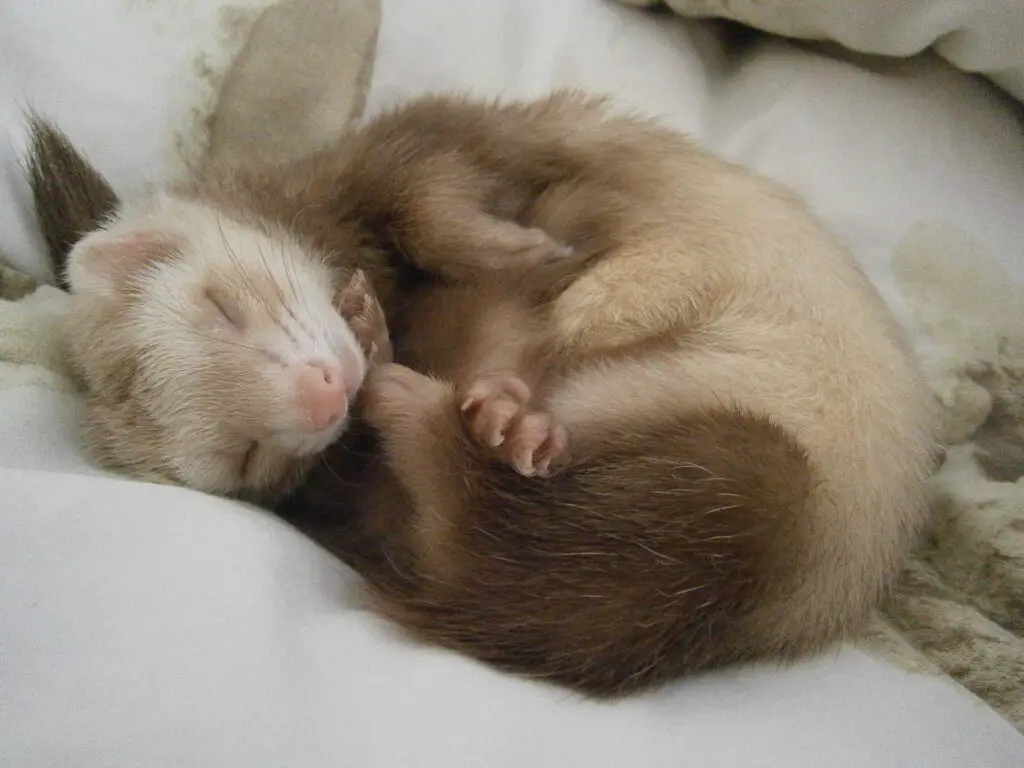
How to tell if your ferret is eating too much human food and becoming unhealthy as a result?
If your ferret is eating too much human food, it can become overweight and unhealthy. Here are some signs to watch for:
Your ferret will develop a severe case of diarrhoea: If your ferret is eating too much human food, it can develop a severe case of diarrhoea. This is because human food is not as healthy for ferrets as its natural diet. Nutritional requirements for ferrets are different from those of humans, which requires high protein and low fat. Excessive diarrhoea will lead to dehydration and can be fatal.
Your ferret is gaining weight: If you notice that your ferret is starting to put on weight, it’s a sign that it’s eating too much human food. Ferrets are very active and have high metabolisms, so they need a diet that is high in protein and low in fat. If your ferret is becoming overweight, it’s at risk for health problems like heart disease and diabetes.
Your ferret is losing energy: A healthy ferret should be full of energy and playful. If your ferret seems lethargic or uninterested in playing, it could be a sign that it’s not getting the nutrients it needs. For ferrets to maintain their energy levels, they need a diet rich in protein and low in carbohydrates.
Your ferret has bad breath: If your ferret’s breath smells bad, it could be a sign of dental problems. Too much sugar in the diet can cause tooth decay, so if your ferret is eating a lot of human food, it’s at risk for this problem. Dental problems can also lead to other health problems.
Ferrets should be taken to the veterinarian as soon as possible if you notice any of these symptoms. Upon examination by your vet, it will be possible to determine whether your ferret is healthy and make recommendations on how to change its diet.
Which human foods are the best for ferrets?
A few human foods are safe to feed your ferret if prepared correctly and fed moderately. Below is a small list of common human food that you could give your ferret as an occasional treat:
- Cooked eggs
- raw ground meat ( ensure it is fresh)
- fish
- Chicken
- Turkey
- Lamb

The types of human food are not safe for ferrets?
The list of foods that are bad for ferrets is endless. Ferrets have a very narrow diet with very few exceptions. Certain foods you may think are safe to be given may well end up lethal to your furry friend. Before attempting to feed your ferret any human food, please do your research or speak to an expert regarding the specific foods.
- Sweets and Chocolate
- Lima Beans
- Peanuts
- Peas
- Alcohol
- Fruit Drinks
- Juices
- Soda
- Processed Meats
- Onions
- Bananas
- Bread
- High in Carbohydrates products
These foods are just a few common items that are bad for your ferret. If you are unsure if you should feed your ferret anything, be sure to speak to your vet, who will advise you whether or not it’s safe to feed it to your ferret.