Ferrets are adventurous, and they bring much need joy into our lives, but they are also very intuitive creatures and can easily sense emotions this, can range from fear to happiness
Ferrets are known as the “emotional support animal” because they can sense when their owner is feeling down. As a result, they will often cuddle and comfort their owners in an effort to make them feel better. So, next time you’re feeling down, don’t be surprised if your ferret comes up to you for a snuggle!
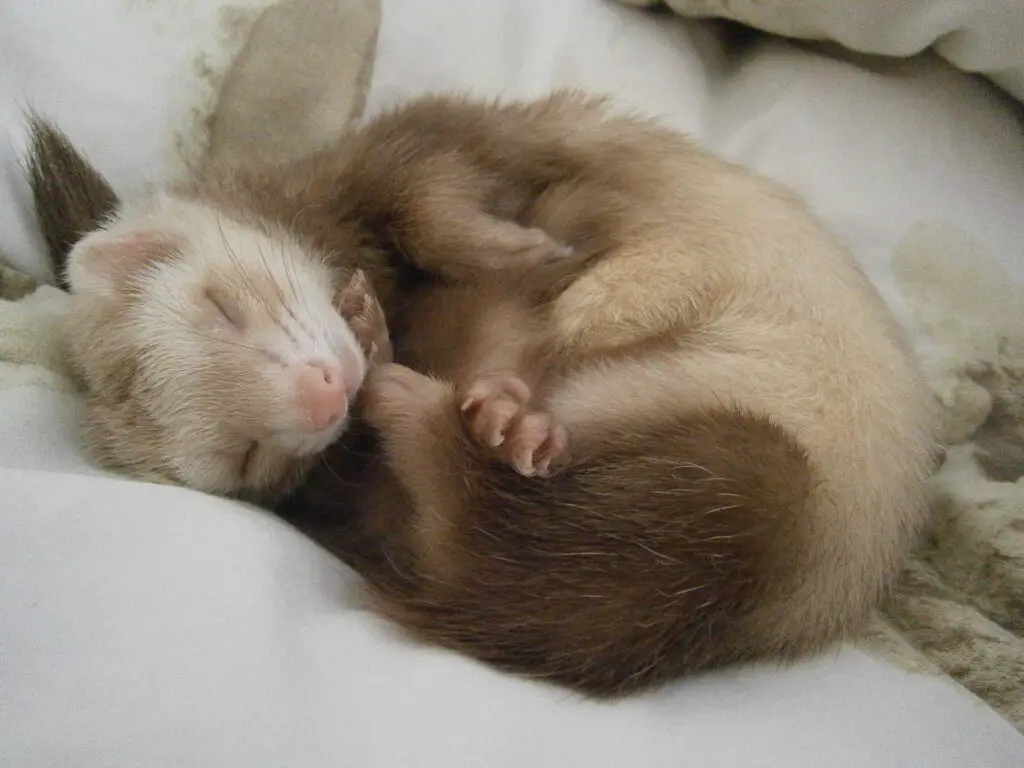
Ferrets are known to be supportive in your time of need; these warm creatures may be just what is required to cheer you up, but how do they react to different types of emotions? Let’s identify how they react to different feelings with what follows.
Are ferrets sensitive to emotion?
Everyone who has ever owned a ferret knows, these creatures are extraordinarily sensitive animals. Though they are not as emotionally attuned as a dog or cat, they can certainly pick up on when something is wrong. For example, suppose their human companion is feeling sad or upset. In that case, ferrets will often try to comfort them and make them feel better by showing that they missed them. This is only one example of the superior intuition that these animals possess. Ferrets are also very perceptive when it comes to other ferrets – they can tell when another ferret is feeling sick or in pain and will often try to help them out. It’s genuinely unique how sensitive these creatures can be.
Will my ferret try to cheer me up?
There’s no certain way to know how your ferret will try to cheer you up if it senses that you’re sad. However, given their social nature, it’s likely that your ferret will do something to try and make you feel better. For example, they might come and sit with you or bring you their favourite toy. Or, they might just try to cuddle up and make you feel loved. If your ferret does something that makes you smile, then it will have accomplished its goal. So, even though we can’t say for sure how your ferret will react, it’s likely that it will at least try to cheer you up if it seems that you’re sad.
Will my ferret stay away if I am sad?
If you are sad, your ferret will pick up on it. Ferrets are very intuitive animals and will show you the appropriate amount of respect by either staying away or trying to comfort you. If your ferret stays away, it is likely because they can sense that you need some space. However, if your ferret comes close to you and starts licking your face, they are trying to provide some comfort. Either way, your ferret will be there for you when you need it the most so pay attention to it because just like you the ferret feels emotion.
Do ferrets isolate when they are sad?
According to some experts, ferrets are able to tell when their owners are sad and may isolate themselves as a result. Ferrets are very social creatures, so if they sense that their owner is unhappy, they may try to distance themselves. This can often be misinterpreted as the ferret being ‘spiteful’ or ‘standoffish.’ However, in reality, the ferret is likely just trying to give its owner some space. If you think your ferret is sad, it might be a good idea to spend some extra time with them and see if that makes them happier. Let them know that you’re there for them and offer plenty of love and attention. If you continue to show patience and understanding, you will be able to help your ferret through its sadness.

Do emotions affect a ferret’s eating pattern?
Ferrets are small, playful creatures that quickly become beloved members of the family. Though they are known for being mischievous, they are also incredibly sensitive animals. This means that their eating patterns can be affected by both their own mood and the mood of their owner. If you notice that your ferret’s appetite has decreased, it may be due to a change in mood. The cause of this could be something as simple as the move to a new home, or even a serious health condition. If you are concerned about your ferret’s reduced appetite, it is always best to consult with a vet. They will be able to help you determine whether there is cause for concern and, if necessary, provide treatment.
What makes ferrets sad or depressed?
Ferrets are social animals that need interaction with their owners to be happy. If they’re left alone for too long, they can become depressed and may even start to exhibit destructive behaviour.
Depression in ferrets is often caused by a lack of attention from their owners. Ferrets need to spend time with their humans in order to stay happy and healthy. Isolating them for a long time can cause them to become sad and withdrawn. Ferrets that are neglected may also start to exhibit destructive behaviours, such as chewing on furniture or pulling out their own fur.
The moment you suspect your ferret may be depressed, taking action immediately is vital. Spend more time playing with your ferret and ensure they have plenty of toys and enrichment activities to keep them stimulated. If you think your ferret’s depression is severe, you should consult with a veterinarian.
How do ferrets react to different emotions?
- Ferrets react to different emotions in different ways.
- When they are happy, they may be more active and playful. They may also be more vocal and express their happiness by wagging their tail or rubbing against their owner.
- When they are sad, they may become inactive and withdrawn. They may also stop eating and lose weight.
- When they are angry, they may become aggressive and defensive and in some cases may try to protect the owner. They may also emit a high-pitched scream.
- When confused, they may be unsure of what to do and act nervously.
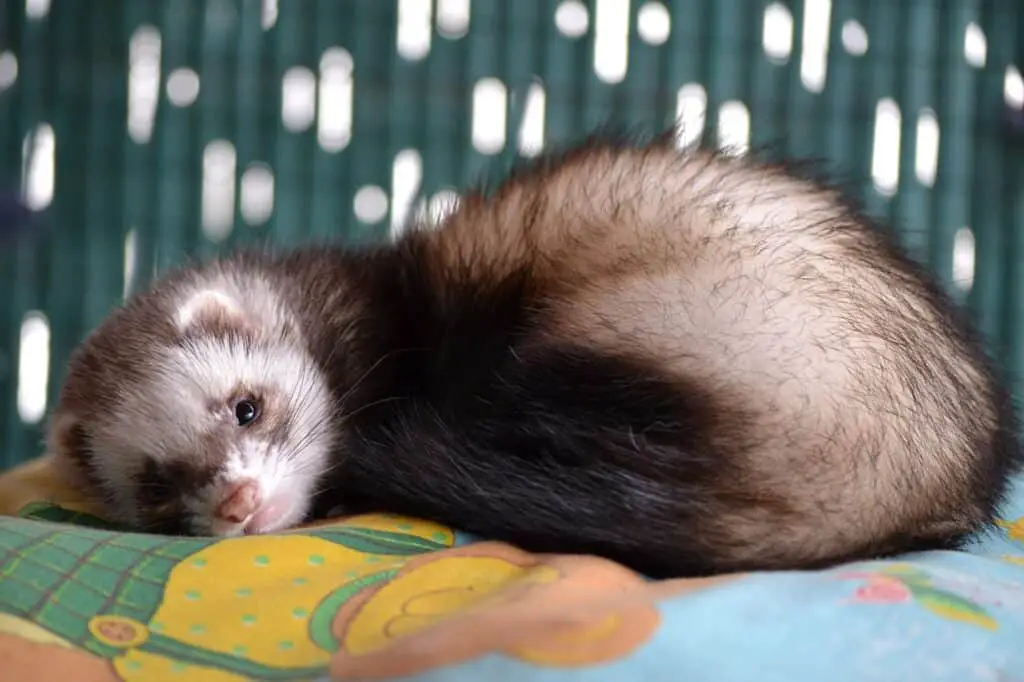
Ferrets are very in tune with their human companions and can sense when something is wrong. If you’re feeling down, your ferret will likely try to cheer you up by playing or cuddling. It’s essential to allow them to do this; after all, they’re just trying to help! Avoid screaming or shouting at your ferret during these times – it will only make them feel more stressed and could result in negative behaviours.