Sable ferrets are a unique and beautiful type of ferret that many people love. They are one of the more expensive types of ferrets to own, but they can be worth it for those who know what they’re getting into. So, can you own a sable ferret? Check out these animals to find out more about them.
Sable ferrets make great pets and can be easily trained. They are active animals that require plenty of stimulation and space to play, so they are not ideal for everyone. If you think a sable ferret would make a good addition to your family, choose a breeder with experience and research prior to getting one.
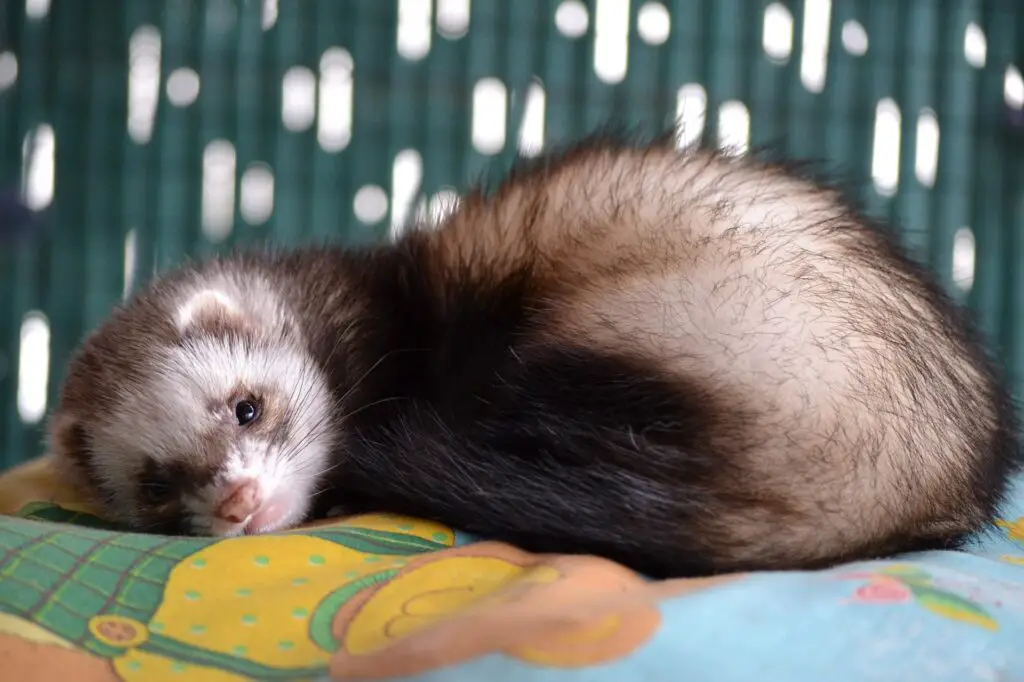
Sable ferrets are dark brown or black in colour with light markings on their face, belly, and legs. They are a large ferret species and can grow up to two feet long. It is still possible to find them in pet stores or online, despite the fact that they are not the most popular type of ferret. In order to understand this specific type of ferret better, let’s dig a little deeper.
What is a sable ferret?
Sable ferrets (Mustela putorius furo) are a type of weasel that is native to Europe and parts of Asia. They are small carnivorous mammals with long, slim bodies and dark brown fur. Sable ferrets are nocturnal animals, and their diet consists mainly of rabbits, rodents, and birds. In the wild, sable ferrets typically live for around 3-5 years, but in captivity, they can live for up to 10 years.
Sable ferrets were once commonly kept as pets in Europe, but their popularity declined in the early 20th century. Today, they are considered to be a threatened species, and their numbers are declining. Sable ferrets are hunted for their fur, and their habitats are being destroyed by agricultural development and urbanisation. As a result of these threats, sable ferrets are listed as ‘vulnerable’ on the IUCN Red List.
If you’re thinking about keeping a sable ferret as a pet, it’s important to do your research first. Sable ferrets require a lot of care and attention and are not suited to everyone. If you’re considering getting a sable ferret, ensure you are prepared to provide them with the care they need.
How much does a sable ferret cost, and what are their care requirements?
Sable ferrets typically cost between $100 and $200. They require a diet of high-quality kibble, raw meats and even live prey occasionally. They also need a large cage with plenty of space to move around and hide. Sable ferrets are prone to a number of health problems, so it is important to take them to the vet for regular check-ups. A rabies vaccination and other diseases need to be administered to them as well. Overall, sable ferrets can make great pets for people who are prepared to provide them with the care they need.

What makes a sable ferret unique?
Sable ferrets have a dense coat of fur that is brown or black in colour, with guard hairs that are tipped in silver or white. This coat helps keep them warm in cold weather and provides camouflage when hunting. In addition, sable ferrets have a long, tubular body that is well-suited for crawling into small spaces. Hunting is also made easier by their excellent sense of smell. As a result, sable ferrets are uniquely suited for life in the wild. However, they make delightful pets and can be trained to use a litter box and play fetch.
Are sable ferrets legal in every state, and what are the restrictions on owning them, if any?
Sable ferrets are legal in all 50 states, but there may be restrictions on owning them in some states. For example, in California, it is illegal to own a sable ferret unless you have the Fish and Game Department’s permission. In Texas, keeping a sable ferret as a pet is illegal unless you have a wildlife rehabilitation permit. If you’re thinking about getting a sable ferret, make sure you check the laws in your state to see if there are any restrictions on owning them.
Do sable ferrets require a different diet compared to a common ferret?
Sable ferrets and common ferrets have the same dietary requirements. Both types of ferrets require a diet that is high in protein and fat and low in carbohydrates. The best way to provide your ferret with the nutrients they need is to feed them a diet that consists mainly of meat, such as chicken, turkey, or lamb. You can also supplement their diet with some commercially-available ferret food, but avoid brands containing fillers or added sugars. In general, sable ferrets and common ferrets have the same nutritional needs, so feeding them a different diet is no need
What are some common myths about sable ferrets that people often believe to be true?
Sable ferrets are popular pets, but there are still a lot of misconceptions about them. In this article, I will explain some of the most common myths surrounding sable ferrets:
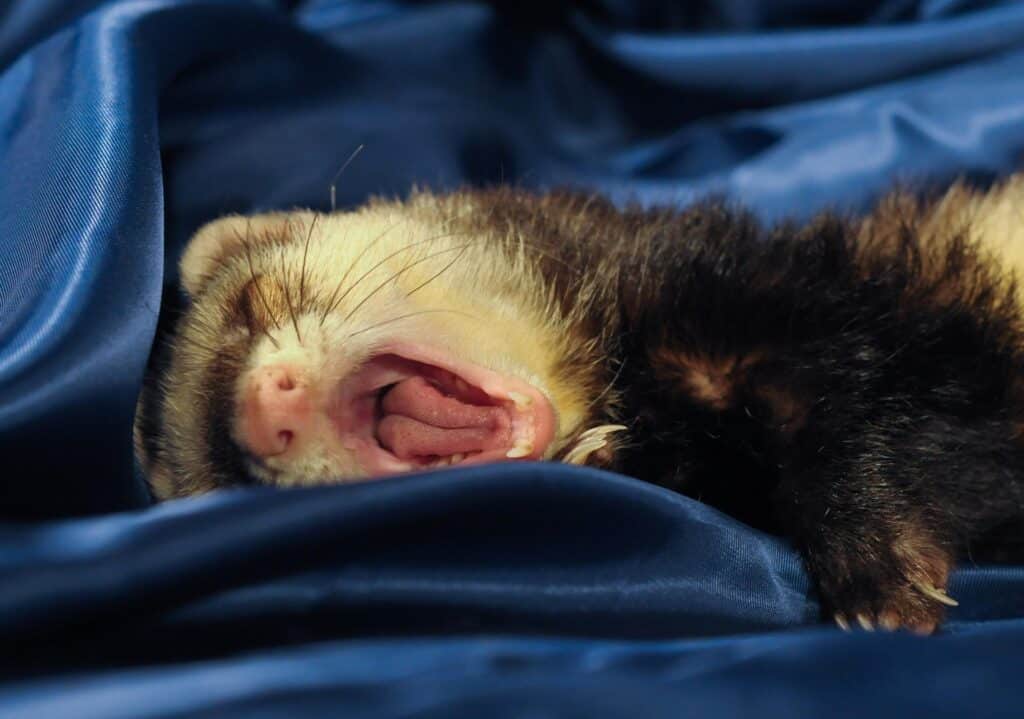
- Sable ferrets are extremely smelly animals. It is one of the most common misconceptions about sable ferrets, but it is not true- Sable ferrets are very clean animals and groom themselves regularly. If you keep your sable ferret’s cage clean, there will be no noticeable smell.
- Sable ferrets are aggressive animals- Another common myth about sable ferrets is that they are aggressive animals. However, this is not true at all. Sable ferrets are actually very gentle and playful animals. They can be a little bit nippy when they are playing, but they will never hurt you on purpose.
- Sable ferrets are dangerous animals- This is another myth about sable ferrets that is not true. Sable ferrets are not dangerous animals,o9 and they will not hurt you unless you hurt them first. If you treat your sable ferret well, it will be a loyal and loving companion for many years to come.