Ferrets are bred to be active and playful, and they typically don’t calm down until they are exhausted. Ferrets are known for their high energy levels and mischievous antics. They are playful creatures that love to explore their surroundings and can often be found running, climbing, and bouncing off of things. While their playful nature is one of the things that make them so lovable, it can also be frustrating for owners who are trying to get some peace and quiet.
Ferrets gradually mature as they get older, and their playfulness tends to lessen as they settle into adulthood, but they are still very active pets. It is essential to provide them with plenty of toys and activities to keep them occupied, or else they may become bored and restless. With a little bit of time and effort, it is possible to have a calm and well-behaved ferret.
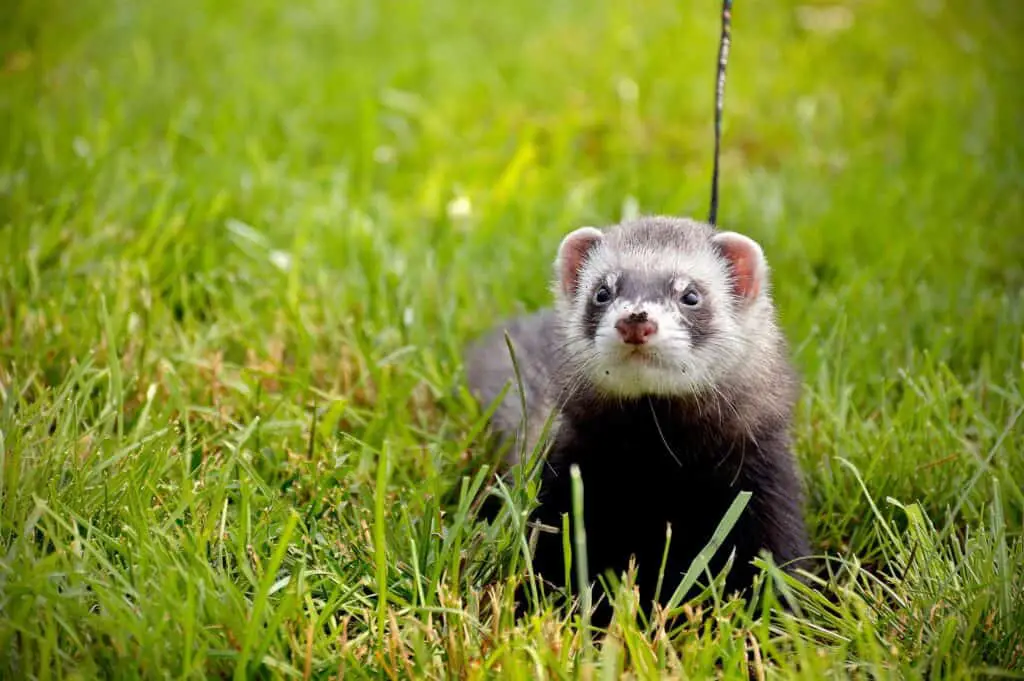
If you want a pet so you can just sit back and watch, a ferret is probably not the right choice for you. However, a ferret could be perfect if you are looking for an active and playful companion!
Does a young ferret show more activity than an older one?
Ferrets are wonderful, playful pets. They are known for their mischievous antics and their boundless energy. But many people don’t realize that ferrets can live to be quite old – up to 10 years or more. So, if you’re considering adopting a ferret, it’s important to consider their initial activity level and how that activity level will change as they age. Generally speaking, younger ferrets will be more active than older ones. They’re full of vim and vigour and just want to run and play all day long. As they get older, however, they’ll start to slow down a bit. They may not be quite so interested in chasing that elusive piece of string or climbing to the top of the cat tree. But that doesn’t mean they won’t still enjoy a good game of fetch or a rousing round of tug-of-war. The key is finding an activity level appropriate for your ferret’s age and physical condition. With a little love and attention, your ferret will be sure to bring you years of enjoyment.
Are male ferrets more active than female ferrets?
According to the American Ferret Association, male and female ferrets are generally equally active. However, some experts say that males may be slightly more active than females, especially during the spring and summer months. This is likely because testosterone levels are highest during these months, which can lead to increased energy and activity levels. Male ferrets also tend to be more territorial than females, so they may be more likely to explore their surroundings and mark their territory with urine. While both genders of ferrets are known for being playful and energetic, it’s essential to keep in mind that individual personalities can vary greatly, regardless of gender. So, if you’re looking for a particularly active pet, it’s best to choose an individual ferret based on its personality rather than its gender.
How do I calm my ferret down?
Ferrets are known for being high-energy and playful animals. While this could be a lot of fun, it can also be exhausting. If your ferret is hyperactive or not calm enough for your liking, you can do a few things to help him relax.
One way to calm your ferret down is to provide him with plenty of toys and playtime. Ferrets are very active creatures and need to burn off a lot of energy. If you give him a few toys to play with, he will be less likely to be destructive in your home. You can also try training your ferret to do simple tricks; this will tire him out mentally as well as physically. Another way to calm your ferret down is to provide him with a safe, comfortable place to rest. Ferrets like to have a place where they can retreat when they are feeling overwhelmed or tired. If you provide your ferret with a soft bed and some blankets, he will be more likely to take a nap when he needs it. Finally, you should try to create a routine for your ferret. Having consistent mealtimes, playtimes, and nap times will help him feel secure and relaxed. If your ferret gets too worked up, you will be able to calm him down by following these tips.
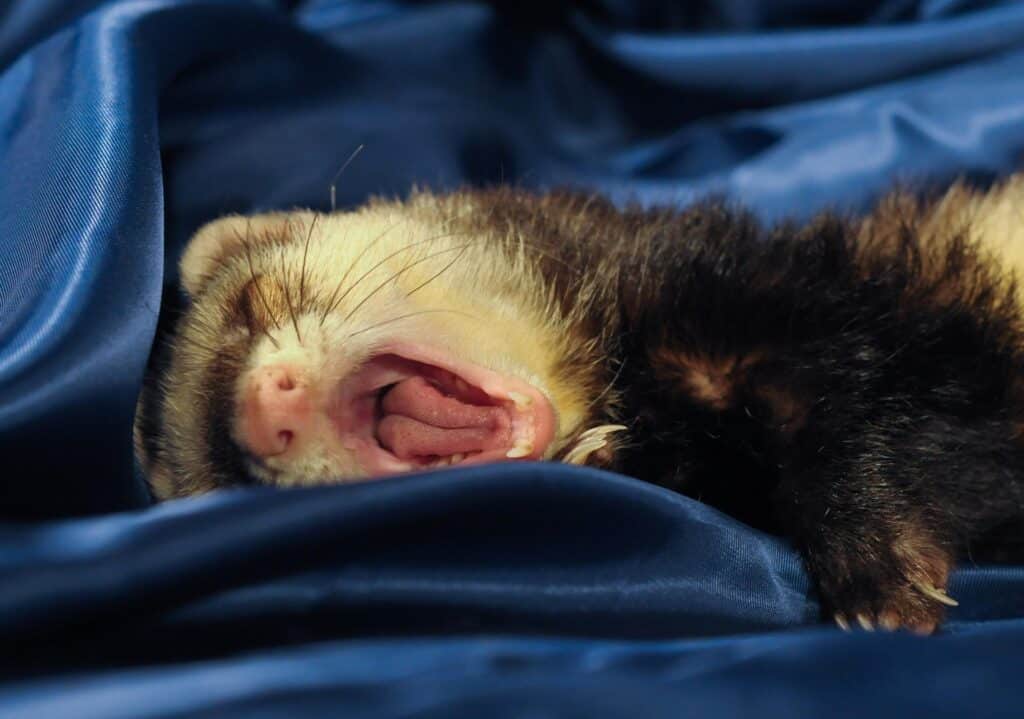
Another way to relax your ferret is to hold them comfortably against your chest and pat them gently until they fall asleep. This is called “belly rubs”, and it’s a method that works well for young ferrets in particular. It’s important to be gentle and consistent with the pressure you’re exerting, as too much pressure can make your ferret anxious. Once your ferret falls asleep, you can slowly stop patting him and let him enjoy a restful nap.
If you find that your ferret is persistently hyperactive or stressed, it’s essential to consult with a veterinarian. There mey be an underlying medical condition causing these symptoms. Once any medical problems are ruled out, your vet may be able to recommend additional calming strategies for your ferret.
At what age can I expect my ferret to calm down?
When it comes to ferrets, there’s no such thing as “one size fits all.” Ferrets are notorious for their high energy levels, which can make them seem like miniature whirlwinds. So if you’re living with a ferret, you may be wondering when they’ll finally calm down. Unfortunately, these questions cannot be easily answered. Every ferret is different, and their energy levels can vary wildly from one individual to the next. In general, however, most ferrets will start to calm down around the age of 4. Of course, this is only an average – some ferrets may calm down sooner, while others may remain high-energy for several more years. If you’re concerned about your ferret’s energy levels, it’s always best to consult with a veterinarian. They can help you to assess your ferret’s individual needs and make recommendations accordingly.
Ferrets require a home that is willing to provide loads of endless attention and entertainment, as they will quickly become bored otherwise. Boredom for a ferret can lead to health problems and destructive behaviours. A ferret might not be the right pet for you if you’re unwilling to dedicate time and attention to it.
How to keep my ferret entertained when left alone?
When left alone, they may become bored and restless. Ferrets are social creatures that need plenty of attention and stimulation, so it’s crucial to find ways to keep them entertained when they’re left alone. One way to do this is to provide them with a variety of toys, including balls, chew toys, and anything else that will help them stay active. It’s also essential to make sure that their cage is large enough for them to explore and that it has plenty of hiding places where they can retreat if they get overwhelmed. In addition, you can set up a ferret playpen in a room where it will be safe for the animal to roam. Taking these steps can help your ferret stay happy and healthy when left alone.
Another idea is to give him a scratching post or a place to play in his cage. By doing this you give him something to do that is just for him. This will also help to keep his nails trimmed. There are many other ways to keep your ferret entertained. You just have to use your imagination.
Having more than one ferret is crucial if you spend a great deal of time out of the house or travel a lot. This way they will always have a friend to play with even when you’re not around. Introducing a new ferret can be a bit tricky, but it’s definitely worth it if it means that your ferrets will always have someone to keep them entertained.
Doing all these things will help ensure your ferret stays happy and healthy when left alone. Be sure to keep them entertained. Bear in mind that they are social creatures that need plenty of attention and stimulation, so be sure to find ways to keep them entertained.
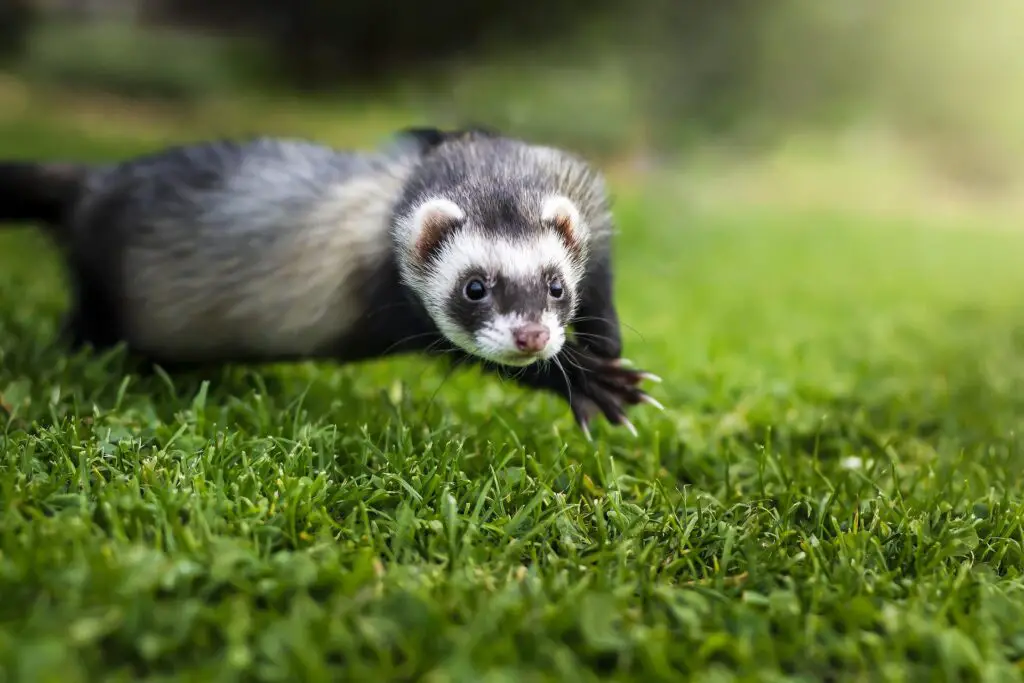
Do ferrets get bored of their toys?
Ferrets are intelligent, playful creatures that can make great pets. However, like all animals, they can get bored easily if they don’t have enough to do.
There are quite a few things you can do to keep your ferret entertained and engaged:
– Provide plenty of toys, such as balls, tunnels, and climbing structures.
– Take your ferret out for regular play sessions.
– Give your ferret access to different areas of the house so they can explore.
– Encourage your ferret to play with you by using toys that make noise, such as squeaky toys.
It’s essential to provide your ferret with a variety of toys and enrichment activities. Ferrets are natural explorers, so anything that encourages them to sniff, dig, and play will help to keep them happy and healthy. Some popular ferret toys include tunnels, foraging puzzles, and soft plush toys. Rotating your ferret’s toys regularly is vital to keep them from getting bored. The more things your ferret does, the longer and happier its life will be.
Some common signs of boredom in ferrets include:
– Chewing on furniture or other objects
– Excessive grooming
– Digging holes
– Sudden weight loss
– lethargy
If you think your ferret is bored, try adding new toys and enrichment activities to their environment. But, consult with a veterinarian or animal behaviourist if the problem persists. They can advise you on how to best address your ferret’s boredom and determine if there is a medical reason for it.
Do I have a happy ferret?
You can check for these signs if you’re not sure if your ferret is happy:
-Your ferret is playful and active.
-Your ferret has a healthy appetite and good bathroom habits.
-Your ferret seems content and relaxed when he’s around you.
Their natural habitat is a large family group and are constantly interacting with others. As a result, they require a lot of attention and interaction from their owners. If you notice that your ferret is spending more time alone, sleeping more than usual, or generally seems less active, this could be a sign that they are unhappy. Another way to tell if your ferret is happy is to pay attention to their eating habits. A healthy ferret will have a good appetite and be interested in trying new foods. If your ferret has lost their appetite or seems uninterested in food, this could be another sign that something is wrong. In case of any changes in your ferret’s behaviour, it’s essential to consult with a veterinarian to rule out any medical causes. With proper care and attention, your ferret can be a happy and healthy pet for many years to come.

Does extra playtime burn some of a ferret’s energy?
Yes, extra playtime can burn some of a ferret’s energy. It may seem that this is a good thing at first glance, but it can cause problems in the future. Ferrets are very active creatures and need a lot of exercises to stay healthy. If they don’t get enough activity, they can become obese and develop health problems. Extra playtime can help burn off some of that excess energy, but it’s important not to overdo it. Ferrets can quickly become overheated and suffer heat exhaustion or heat stroke. So, while a little extra playtime is good for them, monitor their activity levels closely and ensure they’re not getting too hot.
How much attention do ferrets need?
When it comes to pets, ferrets are often overlooked. They are not as common as dogs or cats, and many people are unaware that they can make good pets. However, ferrets are intelligent, playful creatures that can form strong bonds with their owners. Unfortunately, ferrets require a surprising amount of care, however, and potential ferret owners should be prepared to commit to bringing one home. Ferrets need to be spayed or neutered, and they require regular vaccinations. They also need plenty of opportunities to play and exercise, and their diet must be carefully monitored to prevent health problems. In short, ferrets are not low-maintenance pets. They require time, energy, and dedicated care to thrive. Prospective ferret owners should be sure that they are prepared to provide everything their new pet will need before committing to bringing one home.