Ferrets are one of the most unique and interesting pets you can own. They are playful, curious, and love to explore their surroundings. Ferrets make great companions and are a lot of fun to have around. However, there are some downfalls to owning a ferret, the most common being the unique scent.
Ferrets are notorious for their distinct musky odour, which can sometimes be quite pungent. While some people may find this smell off-putting or unpleasant, ferret scent plays a crucial role in the biology of the animal.
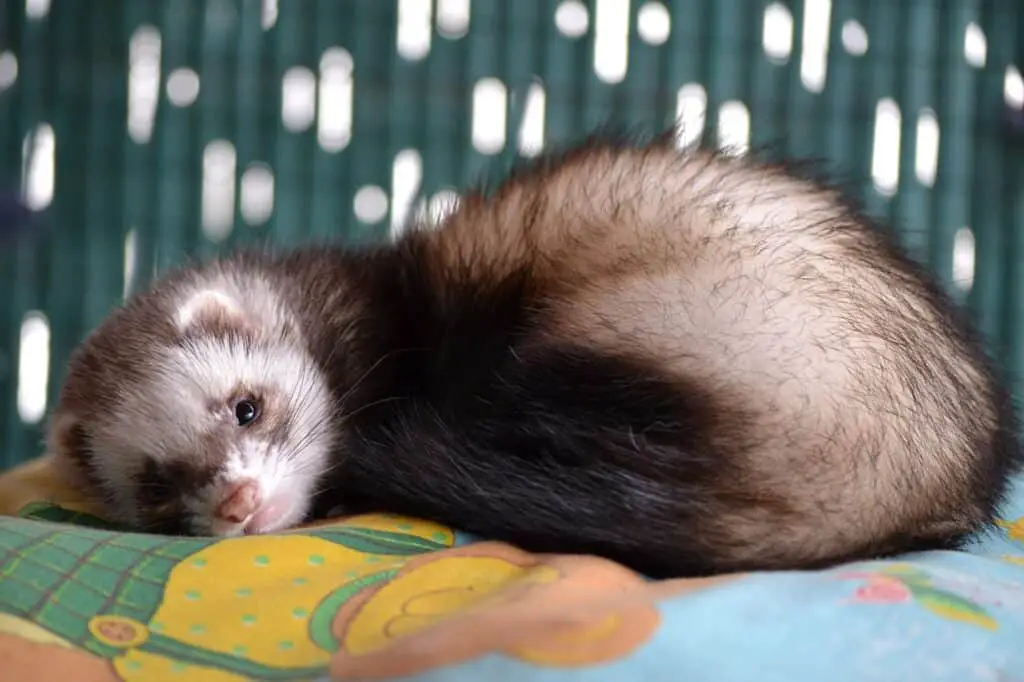
While ferrets have an unpleasant odour that can be somewhat off-putting at times, most people would agree that these adorable animals still make wonderful pets to those who understand them. So let’s look more into the smell that ferrets give off and how to reduce it possibly.
What do ferrets smell like, and why do they have a bad odour?
Ferrets are known for their distinctive musky smell, which can be a source of fascination and repulsion for many. But what exactly is this strong odour that seems to emanate from every hair on their bodies? And why do ferrets have such a strong smell in the first place?
The smell of a ferret is primarily due to the secretion of a substance called sebum from its skin. This oily substance helps to retain heat and moisture, preventing their fur from becoming dry or brittle. In addition, sebum functions as a sort of natural deodorant, and it also helps to repel parasites like fleas. So while this scent may be off-putting to some, it actually plays an important role in keeping ferrets healthy and well-protected against external threats.
Ultimately, the secreted sebum is probably what gives ferrets their notorious stink! Although there’s no one-size-fits-all solution for eliminating unpleasant odours from ferrets or any other pet animals, proper grooming and diet can help keep your furry friend smelling sweet and fresh.
How to reduce your ferret’s smell?
To reduce the scent of your ferret, it is important to keep their living space clean and dry. Regularly cleaning out their bedding and litter box and washing their toys and food dishes can help prevent bad odours. Remember bathing your ferret regularly does not reduce the smell from them as their body will produce more oils which can sometimes add to their smell. A ferret should be well groomed regularly but only be bathed every 3 to 6 months. Another useful tip is to give your ferret plenty of opportunity for exercise and play outside of its den. Keeping them active will help circulate air through the fur, minimizing the intensity of their natural aroma. Ultimately, by following these simple tips, you can help keep the scent of your ferrets under control and maintain a clean, comfortable home for them and your family alike.

Does an unneutered ferret have a stronger scent than one that has been neutered?
There is a great deal of debate around the question of whether an unneutered ferret has a stronger scent than one that has been neutered. Some argue that neutering a male ferret significantly reduces its natural musky odour. In contrast, others maintain that an unneutered ferret still has a more pungent smell than one that has undergone surgery.
Proponents of the latter argument point to several key factors as evidence for their position. For one, they argue that male ferrets have much higher testosterone levels than females, meaning they produce more foul-smelling pheromones and hormones. Additionally, unneutered ferrets tend to be much more active and energetic than those that have been spayed or neutered, which often results in additional perspiration and extreme exertion.
That said, critics of this argument counter by noting that the odour reduction experienced by neutered males is fairly substantial, with many saying it is no longer detectable at all after surgery. Furthermore, they argue that the abundance of information available on reducing your unneutered pet’s smell using various grooming products suggests that there is nothing inherently different about an uncooperative ferret compared to its castrated counterpart. Ultimately, while it remains unclear whether an unneutered ferret has a stronger smell than one that has been neutered, there are certainly compelling arguments on both sides of the issue. Unfortunately, no clear answer yet seems to exist.
How can you reduce the amount of ammonia in their urine and faeces to make them smell less pungent?
You can employ several strategies to reduce the amount of ammonia in your pet’s urine and faeces, thereby minimizing their pungent odour. One simple technique is to provide your pet with foods high in fibre, as fibre helps to bind excess nitrogen, which then binds with water and creates ammonia. Additionally, you can step up your pet’s water intake by adding more fresh water to their food or providing more opportunities for them to drink throughout the day. Increasing their physical activity levels can also help reduce the amount of ammonia in their urine and faeces since increased activity leads to increased urination and defecation. Finally, consider implementing a pH-balanced cleanser such as amylase enzymes into your cleaning regimen. These enzyme-based products will break down and remove any lingering ammonia molecules from your pets’ fur and living environment, leaving behind a refreshingly odourless scent. With these strategies in place, you can successfully reduce the pungency of your pets’ waste products, transforming them from smelly annoyances into minor nuisances at most!
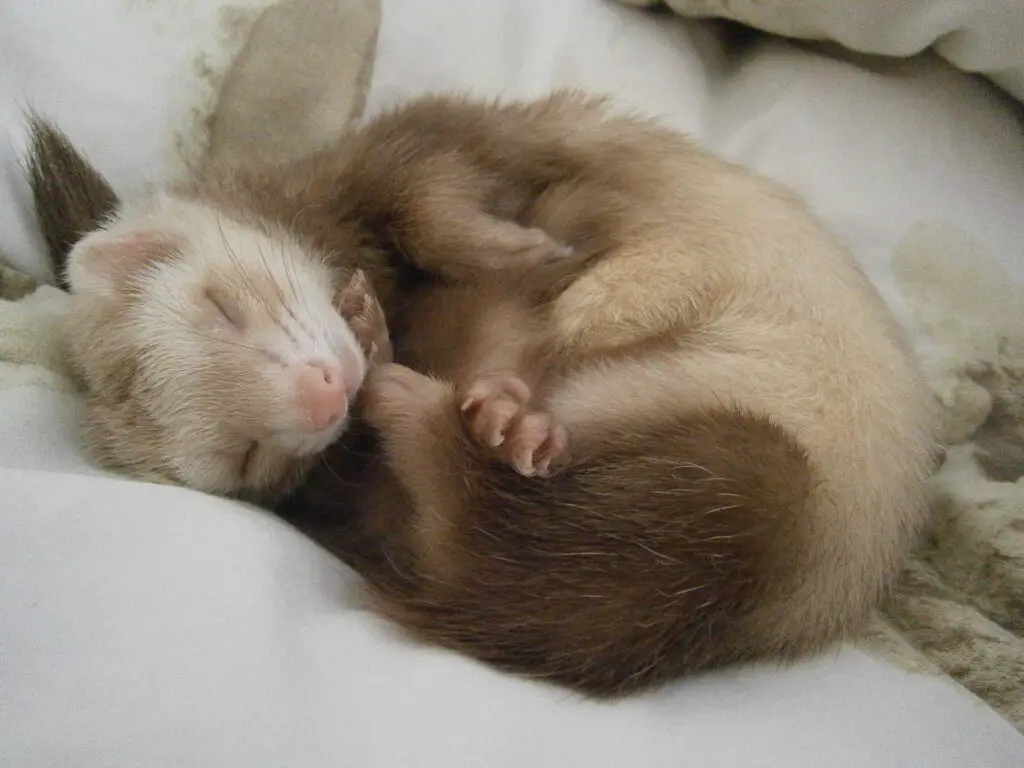
Ferrets make amazing pets for a variety of reasons. They are playful, intelligent, and loving animals that can provide hours of enjoyment for their owners. If you are thinking about bringing a ferret into your home, then you should do your research first, so you know what to expect from it and what you need to do to keep it healthy. With the right preparation, owning a ferret can be an incredibly rewarding experience. There is no doubt that ferrets are not the best pet for everyone, but if you think they might be perfect for you, don’t hesitate to bring one home!
If you found this post intriguing, you will enjoy the article we covered on ferrets poop being a rat deterant.