All across the world, there are cases of malnourished ferrets. Unfortunately, many people do not know how to take care of these animals properly, and they become malnourished. In this post, we will discuss some of the causes of malnourishment in ferrets and how you can help prevent it. We will also provide tips for caring for a malnourished ferret.
The first step is to consult with a veterinarian, who can determine the cause of the problem and recommend a course of care and treatment to help nurse your ferret back to good health. Sometimes, switching to high-quality ferret food can make a big difference.
If your ferret is suffering from malnourishment, you can do a few things to help:
- Make sure he or she has access to fresh water at all times.
- Your ferret needs a high-quality diet containing all the necessary nutrients. You may need to supplement your ferret’s diet with vitamins and minerals if he or she is not getting enough from the food alone.
- Ensure your ferret has plenty of places to hide and feel safe, as stress.
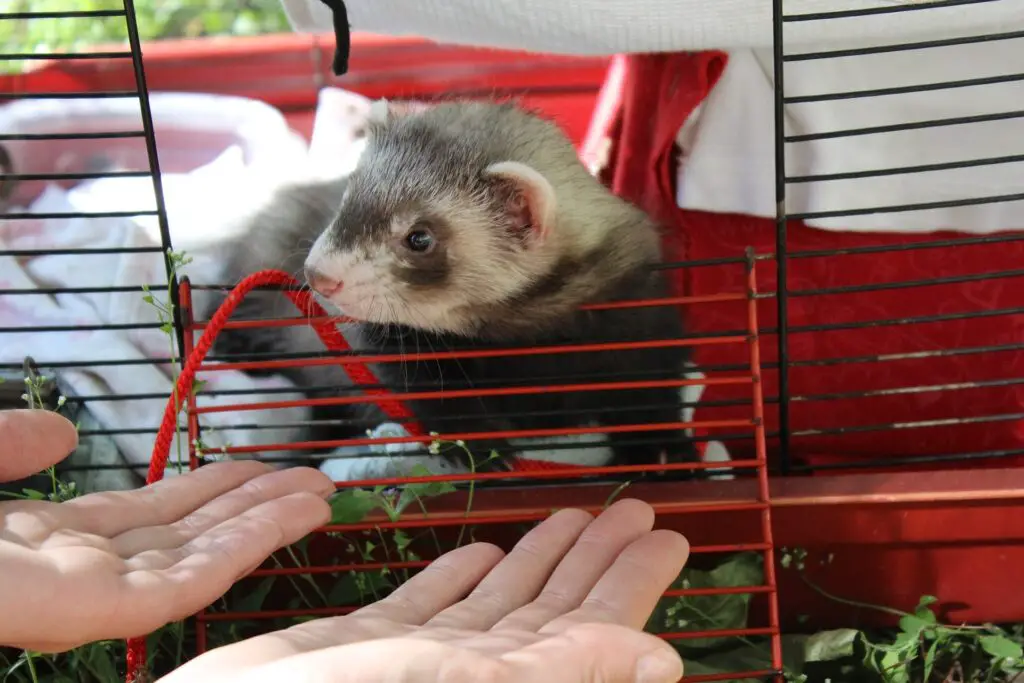
What causes a ferret to become malnourished?
A ferret that is malnourished is not getting the nutrients it needs to stay healthy. The most common cause of malnutrition in ferrets is a poor diet. Ferrets are obligate carnivores, which means that their bodies are designed to digest and use only animal-based proteins. Many commercially available ferret foods are made with plant proteins, which can be difficult for ferrets to digest and lead to malnutrition. In addition, ferrets require a high-calorie diet to maintain their energy levels, and many commercial foods do not provide enough calories. Ferrets also need a high level of fat in their diet for healthy skin and fur. These nutrients are necessary for the ferret to become malnourished. Another common cause of malnutrition in ferrets is gastrointestinal (GI) disease. GI disease can prevent a ferret from absorbing the nutrients from its food, even if it is a nutritionally complete diet. GI disease often results from an underlying health condition, such as cancer or inflammatory bowel disease.
How to recognize a malnourished ferret?
Recognizing the signs of malnourishment is essential for ferret owners. The first sign is a noticeable loss of weight. A ferret that is not getting enough to eat will gradually lose muscle mass and body fat. A dull coat is another sign to look for. A healthy ferret has a lustrous coat of fur, but a ferret that is not getting enough nutrition will have dull, brittle fur. Ferrets also require a high level of protein in their diet, so if you notice your ferret becoming lethargic or having trouble moving, it could be a sign of protein deficiency. If you think your ferret may be malnourished, take them to the vet for a check-up and to get started on a proper diet plan.
What treatment is required for a malnourished ferret?
A malnourished ferret requires prompt and expert medical attention. Left untreated, malnourishment can cause serious health problems. The first step in treating a malnourished ferret is to stabilize its condition. This may require IV fluids and other emergency measures to ensure that the ferret does not go into shock. Once the ferret is stabilized, it will need to be slowly reintroduced to food. A diet of high-quality kitten milk is usually recommended, as it is rich in the nutrients that a growing ferret needs. The ferret should be fed small meals several times a day at first, gradually increasing the amount of food as its appetite improves. With proper treatment, most malnourished ferrets make a full recovery. However, it is important to catch the problem early and get professional help as soon as possible.
How to feed a malnourished ferret?
First, it is important to introduce new foods slowly and in small quantities. This will help to avoid digestive upset and allow your ferret time to adjust to its new diet. Second, be sure to choose foods high in calories and protein. Ferrets have high energy needs, so it is important to give them foods to help them meet those needs.
If you are feeding your ferret formula, be sure to do so very slowly with a syringe. Syringe feeding is the best method to help your ferret get some food in his system if he refuses to eat. When using a syringe to feed a ferret, be sure to place the syringe at the side of the ferret’s mouth, releasing just a few drops of formula at a time to ensure your ferret doesn’t choke.
Finally, ensure that your ferret has access to fresh water at all times. Dehydration can be dangerous for any animal, but it is especially dangerous for ferrets since they are not able to store water in their bodies as effectively as other animals. Following these guidelines can help ensure that your ferret gets the nutrition it needs to return to good health.
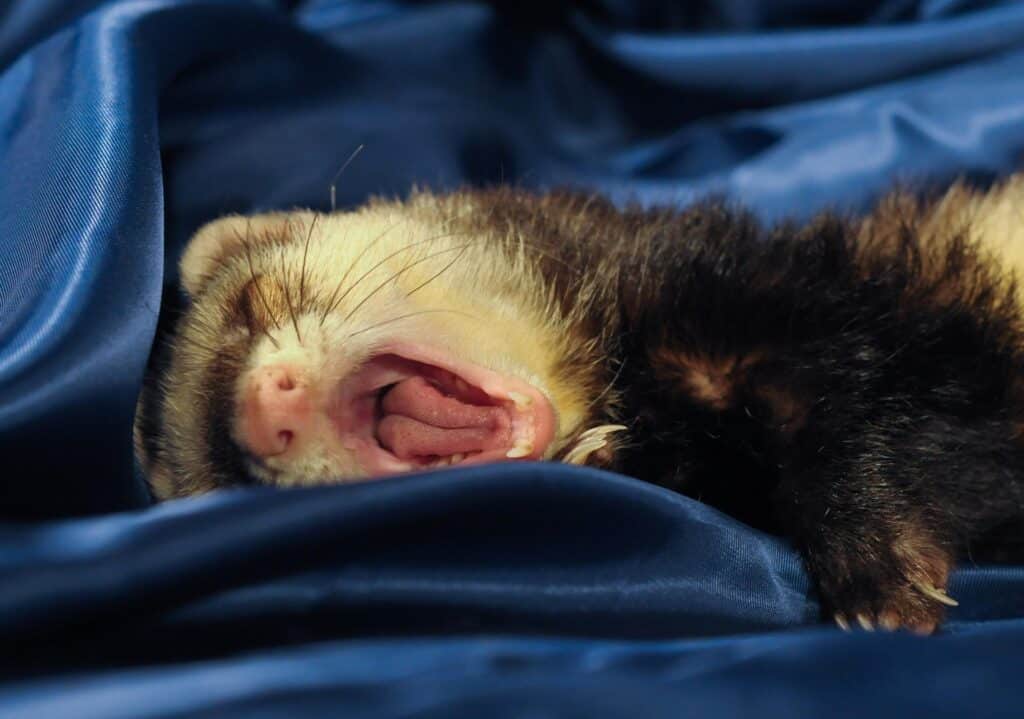
Are the special foods to feed a malnourished ferret?
Yes, there are special foods to feed a malnourished ferret. Your veterinarian can recommend a high-quality, nutritionally complete diet that will help your ferret regain its strength and energy. The food you choose should be high in calories and protein and low in fibre. It is also important to ensure that the food you select is easy for your ferret to digest. As ferrets have a very sensitive digestive system, it is necessary to avoid foods that might upset their stomachs or cause diarrhoea.
Will my ferret become dehydrated if they are malnourished?
Dehydration is a serious medical condition that can occur when the body doesn’t have enough fluids. When dehydration sets in, the body’s systems begin to shut down, and organs can fail. Malnourishment is a serious condition that can lead to dehydration. When a ferret is malnourished, its bodies are not getting the nutrients they need to function properly. This can cause the ferret to become dehydrated. If you think your ferret may be dehydrated, it is important to seek medical help immediately. In the absence of prompt treatment, dehydration can be fatal. If you think your ferret may be malnourished, it is important to seek veterinary care as soon as possible. Malnourishment can lead to serious health problems if not treated promptly.
How to tell if my ferret is dehydrated?
Dehydration can be detected by the following signs:
- Their skin will be dry and tacky to the touch.
- Their gums will be pale instead of pink.
- They may be lethargic or uninterested in food.
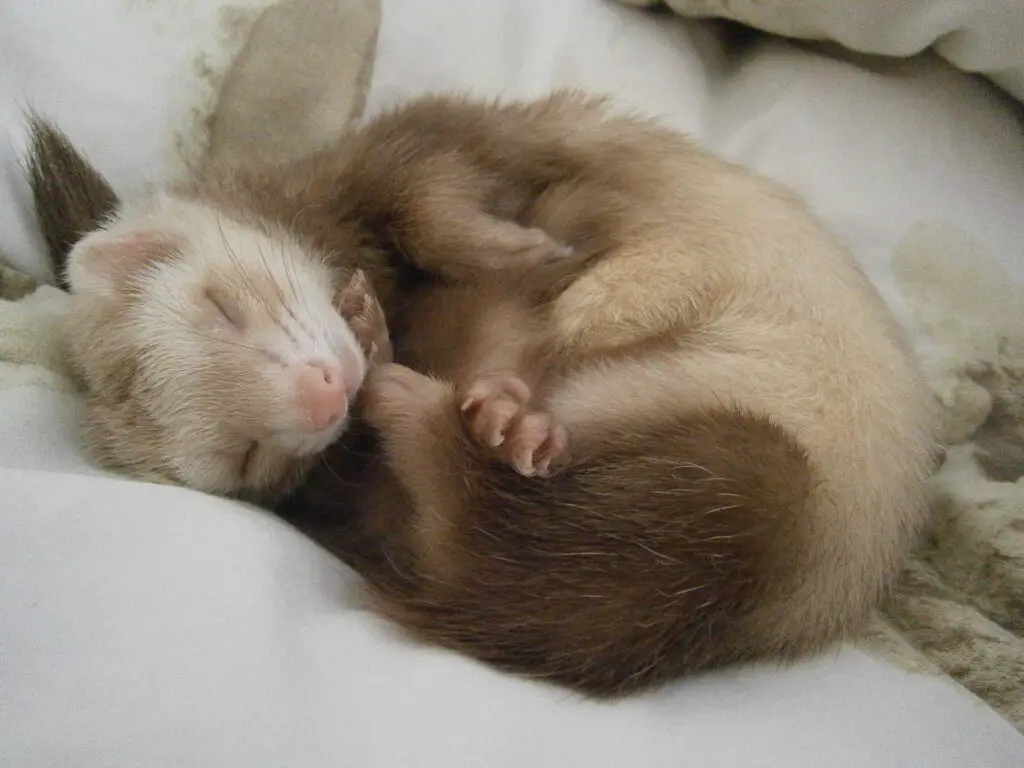
If you suspect your ferret is dehydrated, offer them a small amount of water and see if they drink it. If they do not drink voluntarily, you will need to take them to the vet, where they can be rehydrated intravenously. Dehydration is a potentially life-threatening condition, so it’s important to be aware of the signs and seek treatment as soon as possible.