A ferret’s cage should be as large as possible since these playful animals need plenty of room to run and explore. The cage should also have multiple levels, as ferrets love to climb. Horizontal bars are preferable to vertical ones, as they give the ferrets more space to move around. But what about the bottom of the cage?
Many bedding materials can be used, but one of the best options is shavings made from recycled paper. Another option is to use a layer of fleece over a layer of paper towels. This helps keep the cage clean and dry while providing your ferret with a cosy place to sleep.
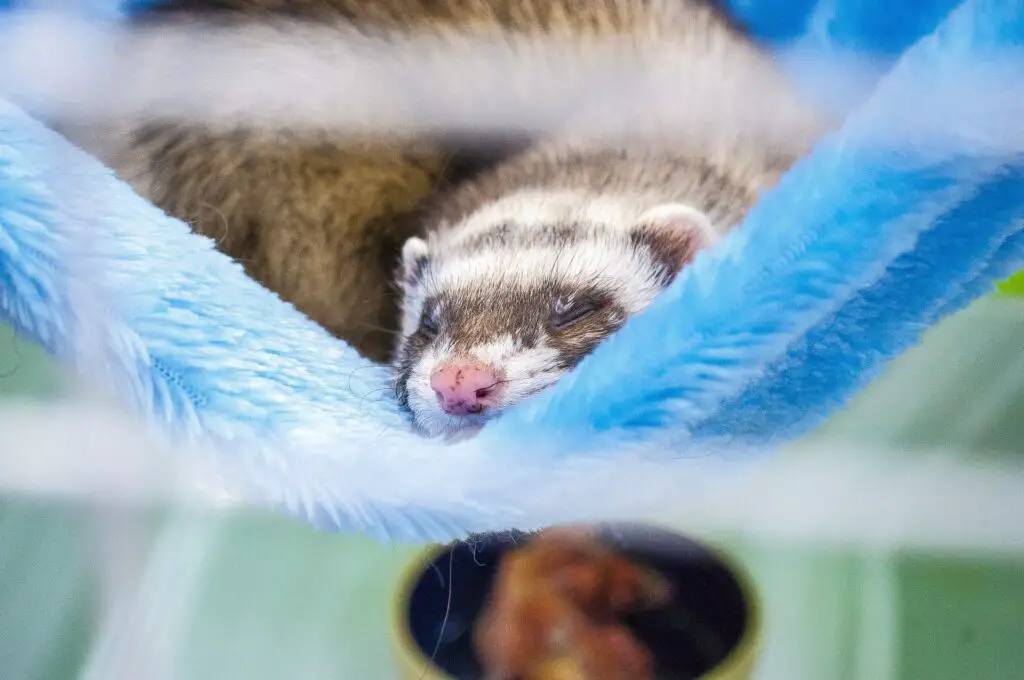
Some experts believe that paper products can be abrasive and cause skin irritation. Another option is to use fleece bedding, which is gentle on sensitive skin but can be more difficult to clean. Ultimately, the best decision for your ferret’s cage liner depends on your pet’s individual needs and preferences. The right solution for your pet won’t be a challenge for you if you think of the right solution for your pet. Whichever bedding material you choose, be sure to change it regularly in order to maintain a clean and healthy environment for your pet.
Can I use a blanket for my ferret’s cage?
Yes, you can use blankets for your ferret’s cage. However, be sure to choose a soft and absorbent material, as the blankets will quickly become wet and dirty. Additionally, it is essential to make sure that the blanket is big enough to cover the entire bottom of the cage, as this will help keep your ferret warm and comfortable. You should make sure the blanket is made of a breathable material like cotton, so your ferret doesn’t overheat. Avoid using synthetic materials like polyester, which can irritate your ferret’s skin and keep the blanket clean and free from dirt and allergy triggers by washing it regularly. Following these simple guidelines ensures that your ferret has a safe and comfortable place to sleep.
How can I make sure that the bedding I use for my ferret cage is the best?
Anyone who has ever owned a pet ferret knows that they are intelligent, playful creatures that quickly become part of the family. However, ferrets require a specific type of care, and one of the most important things to consider is what type of bedding to use in their cage. There are a few different options on the market, but not all are created equal. For example, some beddings are made from recycled materials that may contain harmful chemicals. Others are made from natural fibres that curious ferrets can easily ingest. The best bedding for a ferret cage is made from 100% pure virgin cellulose fibre. This material is soft and comfortable for ferrets but is also non-toxic and unlikely to cause digestive problems if ingested. In addition, the pure cellulose fibre is highly absorbent, making it ideal for busy ferrets who like to play and explore their surroundings. With so many benefits, it’s no wonder that 100% pure virgin cellulose fibre is the bedding of choice for many experienced ferret owners.
Can ferrets sleep in the hay?
Ferrets are susceptible to a number of health problems, and one of the most serious is respiratory tract problems. Ferrets have very sensitive lungs and can easily contract diseases if exposed to dusty or dirty conditions. Therefore, bedding materials should be carefully chosen. Sawdust, hay, wood shavings or straw should not be used in ferret housing as they can cause upper respiratory tract problems. Instead, opt for a cleaner material like shredded paper or recycled textile fibres. By providing your ferret with a clean and comfortable environment, you can help to ensure their long-term health and wellbeing.
Do ferrets need a nest box?
Nest boxes provide a safe, warm place for small animals to raise their young. They also help to keep the mother from accidentally crushing her babies. Ferrets are no different. In fact, most ferret experts recommend that all mother ferrets have access to a nest box. The ideal box is about 18 inches long, 12 inches wide, and 8 inches deep. It should be made of sturdy material with a smooth surface (to prevent injury) and have a hole or opening large enough for the mother to enter but small enough to keep her babies from escaping. The box should also be kept clean and free of sharp objects or other hazards. If you are planning to breed your ferrets, make sure to provide them with a nest box well in advance so that they can get used to it. In addition, giving your ferrets a safe place to raise their young will help to ensure a healthy litter.
What are the best toys and essentials to add to a ferret’s cage?
When choosing toys for your ferret’s cage, there are a few things to consider:
- The toy should be made of safe materials that won’t harm your ferret if ingested.
- The toy should be sturdy enough to stand up to vigorous play.
- The toy should be small enough that your ferret can’t get stuck inside of it.
Here are some of the best toys to add to your ferret’s cage based on the factors mentioned above:
– A set of tunnels or tubes that your ferret can explore and play in.
– A variety of different kinds of balls, including ones that bounce and ones that make noise.
– A spinning wheel or another type of exercise equipment.
– A set of soft stuffed animals or other plush toys.
– A scratching post or another type of object that your ferret can use to satisfy their natural urge to chew and scratch.
– A set of toy dishes, bowls, and other small containers that your ferret can use.
– A small water bottle or bowl that your ferret can use for drinking from.
With so many different types of toys available, you should have no trouble finding ones that your ferret will love. Just make sure to choose safe materials and avoid anything that could pose a choking hazard.
How many ferrets can be kept in one cage?
The recommended maximum number of ferrets that should be kept in one cage is four. Any more than that, and the ferrets will start to fight with each other for territory. The minimum recommended cage size for four ferrets is 36″ x 24″ x 18″, with a wire mesh that is no more than ½ “x 1”. The reason for the mesh size is because ferrets are escape artists and will try to squeeze through any opening that they can fit their heads through. If the mesh is too big, they will be able to get out, and you will never be able to find them. When choosing a cage, make sure to get one with a solid bottom, as ferrets are diggers and will try to burrow their way out if given the chance. Lastly, ensure the cage has multiple levels so the ferrets can climb and explore. Ferrets are natural explorers and need to be given the opportunity to exercise their curiosity.
You shouldn’t have a problem with housing more than one ferret in a cage as long as the cage is big enough for them to live in.
Should I put my ferret’s litterbox in their cage?
As any ferret owner knows, providing a litterbox is an essential part of responsible ferret care. But where should the litterbox be located? Some ferret owners choose to put the litterbox inside the ferret’s cage, while others prefer to put it outside. Both options have pros and cons. One consideration is convenience – if the litterbox is inside the cage, the ferret will always have easy access to it. However, this can also result in a messier cage, as ferrets are sometimes known to kick litter out of the box. Another consideration is odour control – if the litterbox is outside the cage, it can help to control odours inside the control – if the litterbox is outside the cage, it will be easier to keep the cage clean and free of smells. But this can be inconvenient for the ferret, who may have to go a long way to reach their litterbox. Consequently, there is no right or wrong conclusion – it’s up to each ferret owner to determine what works for them and their pet.

If you choose to have a litterbox in the cage, find one that is the right size for your ferret. It should be big enough for the ferret to move around in and deep enough that litter won’t be kicked out. Ferrets also like to dig, so getting a litterbox with high sides is a good idea. Be sure to clean the litterbox regularly and replace the litter often.
How can I make my ferret’s cage more comfortable?
Ferrets are playful, active creatures that enjoy exploring their surroundings. A comfortable cage is essential for keeping your ferret happy and healthy. Here are a few ways to make your ferret’s cage more comfortable:
-Provide plenty of toys and playthings to keep your ferret entertained.
-Include hiding places where your ferret can retreat when it wants some privacy.
-Make sure the cage is large enough for your ferret to move around freely.
-Add a food Cube or two to the cage, so your ferret has a place to hide food.
– Place a litterbox in the cage for easy access.
-Keep the cage clean and free of odours.
-Keep the cage-free of debris.
-Provide fresh water and food daily.
-Check the cage regularly for any potential hazards.
Using these tips will ensure that you are providing your ferret with a safe, comfortable cage.
Do ferrets like colourful toys in their cage?
A ferret’s curiosity is naturally piqued, and he loves to play. Given the opportunity, they will investigate every nook and cranny of their home, looking for anything that might be fun to play with. When it comes to toys, ferrets are drawn to interesting textures. Bright colours don’t really phase ferrets as their eyesight falls short, and they are mostly able to see red and grey tone colours. They also prefer toys that make noise, such as rattles or squeakers. In general, the more active the toy, the more likely it is to capture a ferret’s attention. However, there are no hard-and-fast rules when it comes to what ferrets like to play with. For example, some ferrets will show a preference for cuddly toys, while others will go for something that they can chew on. Ultimately, it is up to each individual ferret to decide what kind of toys they like best.
Should I cover my ferret’s cage at night?
Ferrets are nocturnal animals, and they prefer to be active at night. This can sometimes lead to problems when the ferret is kept in a cage – during the day, they may become restless and bored, while at night, they may keep their owners up by running around and making noise. However, there are some simple ways for alleviating this problem, for example, to provide the ferret with toys and playthings that will keep them entertained, both during the day and at night.
As any ferret owner knows, these furry little creatures are very active and love to explore. Nevertheless, sometimes they need some assistance to settle down, and that is where covering the cage may be your saving grace.
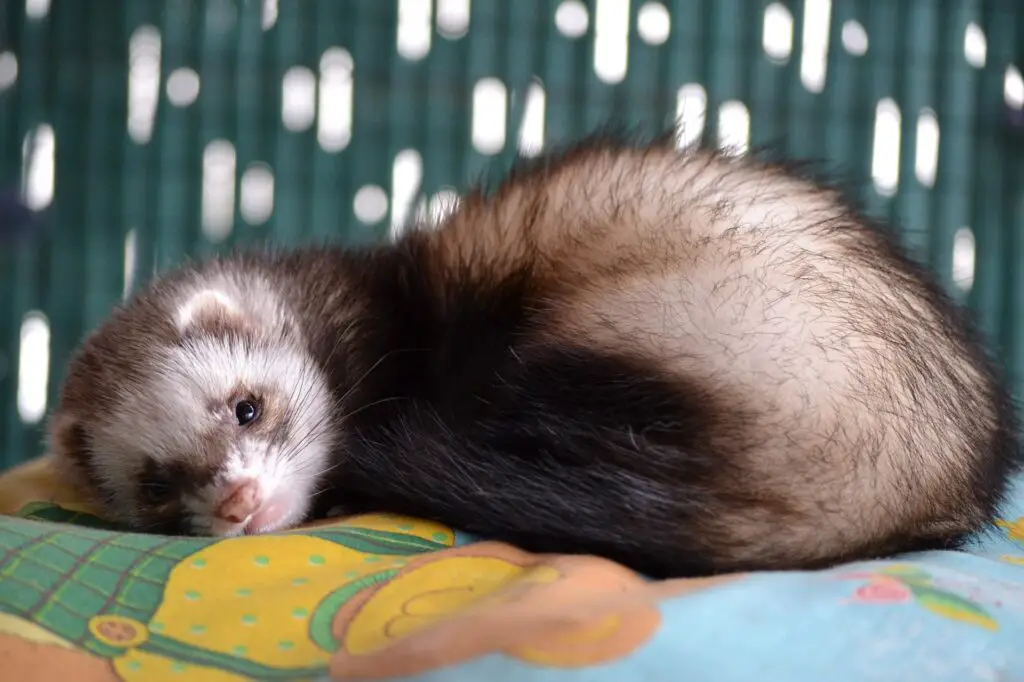
However, a cover may not be necessary if your ferret tends to sleep through the night. It is also crucial that you consider the interior temperature. If it gets cold at night, you may want to consider covering your ferret’s cage to help them stay warm.
Your ferret’s cage needs to be covered at night at your discretion. Considering all the factors before making a decision is essential, as both options have pros and cons. Then, whatever you choose, make sure that your ferret has a safe and comfortable place to sleep.