Ferrets are domesticated mammals that have been kept as pets for centuries. They are known for their playful and curious nature and make great companions for children and adults alike. Though ferrets are typically docile animals, there is always the potential for them to attack humans if they feel threatened or scared.
Ferrets typically only attack humans when they feel threatened or are protecting their territory. However, sometimes even the most gentle ferret can become aggressive, so it’s essential to be cautious around them. If a ferret attacks you, the best thing is to try to remain calm and protect yourself if necessary.

If you are attacked by a ferret, make sure to get medical help right away. Ferrets are not pets for everyone. If you are considering getting a ferret, do your research first and understand the risks involved.
Why will a ferret attack a human?
Ferrets are generally gentle, playful creatures that make great pets. However, there are times when a ferret may attack a human. One reason this may happen is if the ferret feels threatened. For example, if a person handles a ferret roughly or tries to take away its food, the ferret may lash out in self-defence. Another reason a ferret may attack is if it is sick or in pain. A ferret in poor health may be more likely to bite out of fear or confusion. Finally, a ferret may simply be acting on its natural instinct to hunt. If a small child or animal runs past, the ferret may instinctively give chase and end up biting the person in question. While most ferrets are sweet and loving pets, it is vital to be aware of the potential for an attack.
Can ferrets pass on diseases to humans when bitten?
There is always a risk of disease whenever an animal bites a person. This is because the animal’s mouth may be teeming with bacteria that can cause infection. While most animal bites will only result in minor cuts or scrapes, there is a potential for more serious infections, such as rabies, to be transmitted. Ferrets are no exception to this rule. If a ferret bites a human, there is a small chance that the ferret could pass on a disease. While the risk is relatively low, it is still vital for anyone who a ferret has bitten to seek medical attention as soon as possible. A doctor will be able to assess the risk of infection and provide any necessary treatment.
Is a ferret more likely to attack when trying to protect her young?
A mother ferret is a fierce protector of her young. When she perceives a threat, she will attack with quick precision. Her goal is to remove the threat so that her offspring can be safe. In most cases, the threat is another animal that is perceived as a danger to the ferret’s young. The mother ferret will not hesitate to kill the animal if she believes it poses a threat. However, there are times when the mother ferret will attack human beings. This usually happens when the ferret feels that her young are in danger or when she is protecting her territory. If you see a mother ferret with her young, it is best to leave her alone. Otherwise, you may find yourself on the receiving end of a ferocious attack.
Are hobs or jills more likely to attack a human?
Jills are more likely to attack a human than hobs. Ferrets are naturally friendly and playful animals but can also be aggressive, especially if they feel threatened. Jills are generally more territorial than hobs and are more likely to see a human as a threat. They may also become aggressive if they are not spayed or neutered, increasing their hormones and making them more aggressive overall. On the other hand, Hobs are typically more content to stay in their territory and are less likely to view humans as a threat. However, they can still become aggressive if they feel threatened or if their hormones are not properly regulated. If you have a pet ferret, it is important to be aware of its potential for aggression and its warning signs to protect yourself and your furry friend.
Will ferrets attack my children?
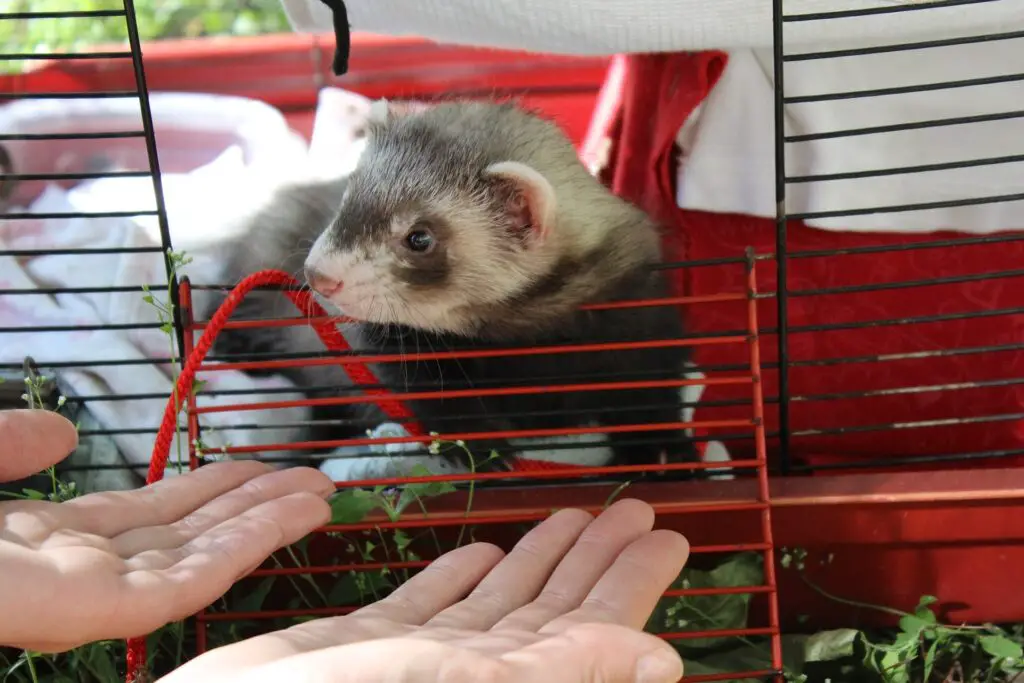
When it comes to potential pets, many automatically rule out ferrets due to their reputation as aggressive. However, the truth is that ferrets can make excellent companion animals – provided they are properly socialized and trained. One of the most important things to keep in mind with ferrets is that they are very intelligent creatures; if they are not given enough mental stimulation, they can become bored and destructive. When it comes to children, ferrets can be unpredictable. Some ferrets enjoy the company of kids and will do fine around them, while others may become skittish or aggressive. If you’re considering getting a ferret, it’s important to do your research and ensure you’re prepared to provide them with everything they need. Proper care makes a ferret a great addition to any family.
Remember, children can be unpredictable, and even the most gentle ferret may lash out if it feels scared or threatened. That said, the vast majority of ferrets will never hurt a child, and many families have successfully raised ferrets and children together. The best way to reduce the risk of an attack is to supervise closely when your children are around ferrets and to teach them how to interact gently with these potentially playful pets.
Will ferrets attack my pets?
Ferrets are predators by nature, and they have a strong hunting instinct. Unfortunately, this instinct can sometimes be directed toward smaller pets, such as rabbits, rodents, and even cats and dogs. In most cases, however, ferrets will not attack larger animals unless they feel threatened or are very hungry. If you are concerned that your ferret may attack your other pets, there are a few things you can do to help prevent this from happening:
- Make sure that your ferret has plenty of food and water. A well-fed ferret is less likely to hunt for food.
- Provide your ferret with plenty of toys and activity centres. A bored ferret is more likely to become restless and aggressive.
- Avoid handling your ferret too roughly.
Ferrets are delicate creatures and can become scared or aggressive if they feel threatened. However, by following these simple tips, you can help ensure that your ferret and your other pets live together in harmony.

Do ferrets attack if they get too jealous?
While it is natural for any pet to feel some jealousy when a new animal is introduced into the home, most ferrets do not react aggressively. However, a few things can trigger a ferret’s jealous behaviour. If a ferret feels neglected or threatened by the new animal, he may become aggressive. Additionally, if a ferret feels that his territory is being invaded, he may also become defensive. If you are considering adding a new pet to your home, keeping these potential triggers in mind is important. With patience and understanding, you can help your ferret adjust to the new addition and prevent any jealous outbursts.