Ferrets are one of the most popular small pets in the world. They are cute, lovable, and make great companions. But when do ferrets stop growing? And how big can they get? In this post, we’ll answer those questions and more. So read on to learn everything you need to know about ferret growth!
Ferrets are typically full-grown by around four months old. However, this can vary somewhat depending on the individual ferret. Some ferrets may reach their full size a bit sooner, while others may take a bit longer. In general, though, most ferrets will be fully grown by the time they are four months old.

Ferrets are susceptible to nutritional deficiencies and obesity if they are not given a balanced diet. They are also prone to joint problems, such as hip dysplasia, if they do not have enough exercise. As a result, it is crucial to monitor your ferret’s growth and health care during its first few months of life. If you have any concerns, be sure to speak with your veterinarian.
What is the size of a full-grown ferret?
Males:
Male ferrets are fully grown by four months old. They reach their final size, weight, and height at this age. An adult male ferret weighs between 2 and 4 pounds and is 18 and 20 inches long from nose to tail. Their bodies are long and slender, with muscular hind legs that allow them to move quickly. Ferrets have small, pointed faces with black eyes and furry ears. They are typically brown, black, or white in colour, with a light-coloured belly. Adult male ferrets are playful and energetic, making them excellent pets. Despite their small size, ferrets require a lot of exercise and space to explore.
Females:
Females are usually smaller than males and weigh anywhere from 1.5 to 3 pounds. They typically have a body length of about 16 inches and a tail length of about 5 inches. While there is some variation in size, most ferrets fall within this range. As such, full-grown ferrets are relatively small animals that are easy to care for.
At what age do ferret’s teeth stop growing?
At around nine weeks old, a ferret’s milk teeth will start to be replaced by permanent teeth. This process is generally complete by the time the ferret reaches four months old. However, it is not uncommon for some of the back teeth to be slow in coming in, and it is not unusual for a ferret to have a mixture of both milk and permanent teeth until around six months old. Once all of the adult teeth have come in, they will continue to grow throughout the ferret’s lifetime. It is vital to provide your ferret with ample opportunities to chew and gnaw on appropriate chew toys, as this will help keep their teeth healthy and prevent any problems associated with overgrown teeth.

Do ferret nails stop growing?
Like our fingernails, ferrets’ nails continue to grow throughout their lifetime. If they are not regularly trimmed, they will continue to grow and can become embedded in the pads of the ferret’s feet. This can be extremely painful for the animal and can lead to severe infections. In extreme cases, untrimmed nails can even cause a ferret to lose a toe. As such, it is essential to ensure that your ferret’s nails are trimmed on a regular basis. In addition, overgrown nails can make it difficult for ferrets to walk and may even cause them to stop using the litter box. If your ferret’s nails are getting a bit long, it’s crucial to take action immediately. There are a number of ways to trim ferret nails, but the most important thing is to be careful not to cut too far down and hit the quick. If you’re not comfortable trimming your ferret’s nails yourself, you can always take them to a professional groomer or veterinarian.
Why did my ferret stop growing?
If you’ve noticed that your ferret has stopped growing, there could be a few reasons why. One possibility is stunted growth, which can be caused by a number of factors, including malnutrition and living in too small of a habitat. For example, if your ferret isn’t getting enough food or the proper nutrients, its growth may be slowed. Similarly, if they’re living in an enclosure that’s too small, they may not have enough room to move around and exercise, which can also lead to stunted growth. If you’re concerned that your ferret’s growth has been affected, take them to see a vet as soon as possible. They can help you determine if there’s an underlying health issue causing the problem and make recommendations for how to get your ferret back on track.
What are the different stages of ferret growth?
Because ferrets are such small animals, it is common for people to assume that they have a short life span. However, ferrets can live for up to 10 years and go through several distinct stages of growth during that time. Baby ferrets, or kits, are born blind and deaf and rely on their mother for warmth and nourishment. At around three weeks old, they begin to open their eyes and gain their hearing. Around this same time, they also start to explore their surroundings and play with other ferrets. They are weaned from their mother’s milk at six weeks old and begin to eat solid food. At three months old, they reach sexual maturity and are ready to mate. Ferrets typically spend the first year of their lives exploring, playing, and growing. After that, they settle into a more sedate lifestyle and spend most of their time sleeping. Although ferrets age relatively slowly, they experience some changes as they age. Senior ferrets tend to be less active than younger ones and may suffer from health problems such as arthritis or kidney disease. However, with proper care, old ferrets can still enjoy a long and happy life.
What is a ferret’s lifespan?
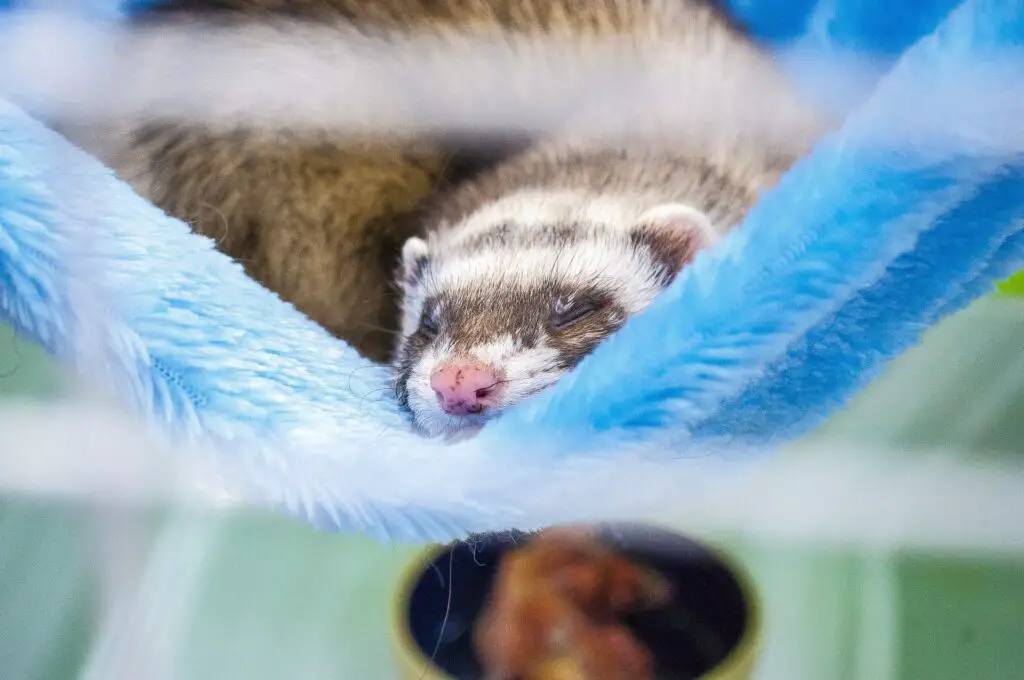
A ferret is a small, carnivorous mammal of the family Mustelidae, typically brown, black or white in colour. Ferrets are sexually dimorphic predators, with males being substantially larger than females. They usually have an elongated body, short legs and long claws. Ferrets are mustelids, like weasels, otters, polecats and badgers. Male ferrets are called “hobs,” while female ferrets are called “jills.” Ferrets spend 14–18 hours a day asleep and are most active around the hours of dawn and dusk, although they may be active at any time of day. They have an average lifespan of 7 to 10 years. Some jills can produce over 4 – 8 offspring per litter.