There is no doubt that ferrets are one of the most popular small pets, and they can make great additions to any family. They’re known for their playful personalities and love of mischief, but did you know that ferrets also grow pretty large?
Ferrets stop growing quickly but will continue to grow for 4-6 months. At maturity, males typically weigh 2-4 pounds and females slightly less at around 1-3 pounds. Males will grow to about 14-16 inches, and females will grow to 11-13 inches nose to tail. Ferrets’ development stages are vital to a healthy life for them.
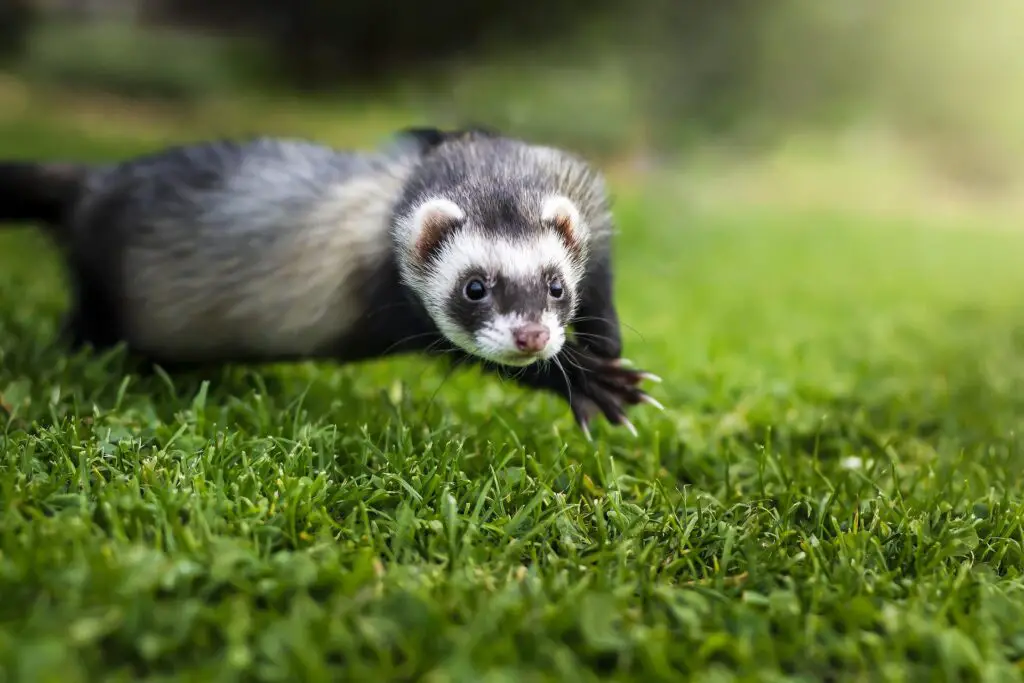
In this article, we’ll explore when ferrets stop growing and answer some common questions about their size. What alters their growth, and what will keep them lean and growing perfectly throughout their development stages? Keep reading to learn more!
What is the maximum weight of a ferret?
A ferret’s weight is an essential factor in its overall health. Ferrets typically stop growing around six months old, but some may continue to grow until they are a year old. The maximum weight for a ferret is about four pounds. Any ferret that exceeds this weight is at risk for health problems such as obesity, diabetes, and heart disease.
Obesity can also lead to joint problems and make it difficult for a ferret to move around. If you own a ferret, it is crucial to monitor its weight and make sure it stays within a healthy range. You should also provide plenty of opportunities for your ferret to exercise, such as setting up a play area with tunnels and toys. Taking these steps can help your ferret stay healthy and happy for years to come.
Will ferrets grow faster if I feed a lot?
Ferrets will not necessarily grow faster if they are fed a lot, as this will depend on their individual nutritional needs. However, ensuring a balanced diet is vital for their overall health and well-being, so it would be best to talk with your veterinarian about what you should feed your ferret.
How long will ferrets take to reach full size?
Ferrets typically reach full size at around 4 to 6 months old. However, suppose a ferret is not adequately cared for during this crucial period of growth. In that case, it can lead to a lifetime of health problems. For example, inadequate nutrition can stunt a ferret’s growth and lead to bone abnormalities. Similarly, insufficient exercise can cause joint pains and muscle atrophy.
Furthermore, young ferrets are especially susceptible to respiratory infections, which can cause permanent damage to their lungs if not treated promptly. Because of all these risks, it is essential that ferrets receive proper care during their first few months of life. By working with a qualified veterinarian and taking good care of their new pet, ferret owners can help ensure that their ferret grows up healthy and happy.

Can premature ferrets grow to full size?
Yes, premature ferrets can grow to full size if they are given the proper care. However, it is essential to note that not all premature ferrets will reach full size. Some may be smaller than average, while others may be larger. Providing a healthy diet and plenty of toys and activities is vital to help your premature ferret grow and develop properly.
Are males larger than females?
Ferrets reach their full size at around 6 months old, after which they stop growing. Males usually grow to be slightly larger than females. Still, there is no definitive rule, and individual ferrets can vary in size quite a lot.
Do males grow faster than females?
Generally, males grow faster than females, but the difference is not very large. Typically, males will reach their adult size around six months old, while females will take a bit longer, reaching maturity around seven or eight months old. This difference in growth rate is due to the different hormones that are active in each sex. Males have more testosterone, which causes them to grow larger and develop more muscle mass. Conversely, females have more estrogen, resulting in slightly smaller and less muscle mass.
What is the smallest species of ferret?
The smallest species of a ferret is the black-footed ferret. They weigh about 1.5 pounds and are about 16 inches long they are North America’s most endangered mammal.
What is the largest species of ferret?
The largest species of ferrets is the Eurasian polecat, which can weigh up to 9 pounds and grow to a length of over 20 inches. Other ferret species typically weigh around 2-4 pounds and are around a foot in length. Ferrets stop growing when they reach maturity, which can be anywhere from 4-6 months old for smaller species and up to a year old for the Eurasian polecat.
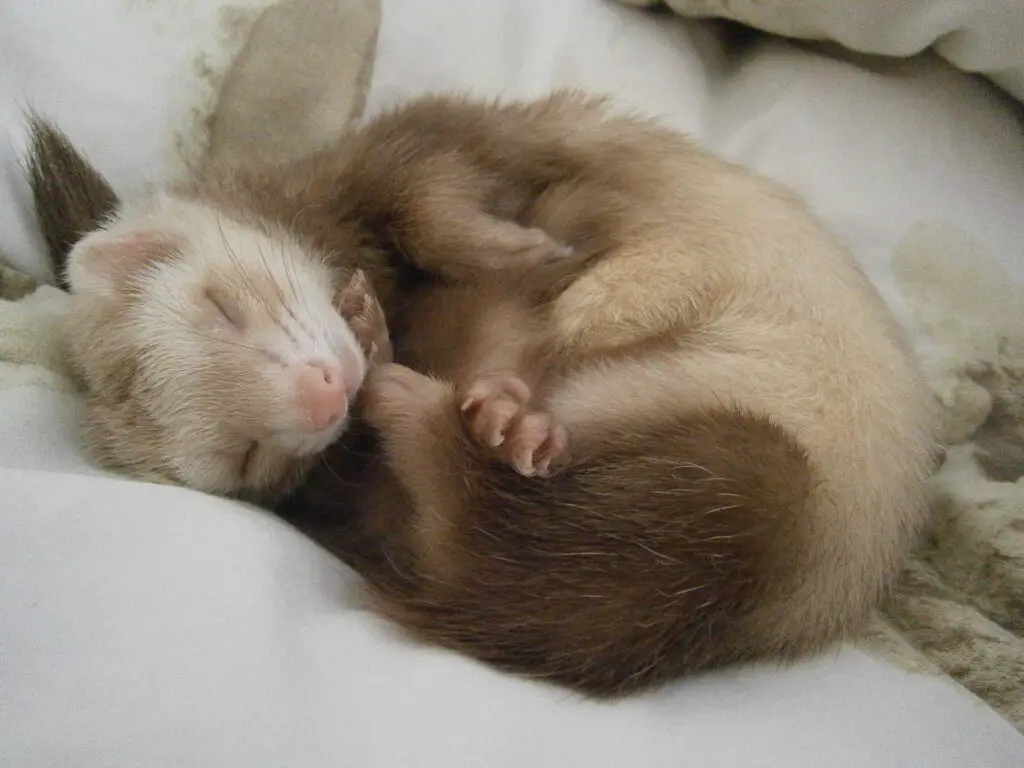
Do ferrets go through teething while growing up?
Like human babies, ferrets undergo a teething process as their adult teeth start to come in. This can be difficult for both ferrets and their owners, as teething can cause discomfort and other problems. However, there are several things that you can do to help your ferret through this process.
For example, you can give them soft foods to eat or provide them with toys if you want to relieve the pressure on their gums.
You should also keep an eye on their behaviour, as some ferrets may become more aggressive when they are teething. In the event that your ferret seemingly has a change in demeanour, be sure to contact your veterinarian. A little bit of love and patience will help your ferret through the teething process and enjoy many years of companionship.
Ferrets are unique pets in that they continue to grow and develop into adulthood. Because of this, it is imperative that they consume a healthy diet so they can reach their full potential. Overfeeding a ferret can lead to health problems and will not make them grow faster. Providing your ferret with the right food and care will help ensure their long-term health and happiness.