Ferrets are naturally curious creatures, and they love to explore their surroundings. This means that they can be found in a variety of different places outside, and due to their size, you may find that they will play and hide in the most unusual places when outdoors.
When outdoors, ferrets will play and hide in any opening large enough to fit in or take cover under. Some ferrets may hide in trees, while others prefer to take refuge in a hole or under a bush. There are even some ferrets who will make themselves comfortable in an animal’s den!

Ferrets are known to be very playful and active animals, so it’s no surprise that they enjoy exploring their surroundings. In fact, this natural curiosity often leads them into all sorts of exciting predicaments and joins us as we scroll through below some familiar places ferrets hide outdoors.
Common outdoor hiding places for ferrets
Ferrets are inquisitive creatures that love to explore their surroundings. This means they can often be found hiding in unusual places. Some common outdoor hiding places for ferrets include any small opening big enough to fit in or take shelter under. This could be a tree hole, a rock crack, or space beneath a bush or deck. Ferrets may also find refuge inside overturned garbage cans or old tires. If you’re lucky, you may see your ferret playing “hide and seek” with you – make sure to be on alert for this sneaky little creature!
Do ferrets like hiding outdoors.
Although ferrets are often considered indoor pets, they can thrive in an outdoor environment. Ferrets enjoy digging and being in the dirt and feel safe when they can hide from predators. This is why many ferrets like to live in outdoor enclosures. Outdoor enclosures provide a safe space for ferrets to explore and play and allow them to get the exercise they need.
Do ferrets prefer hiding in trees or burrows?
Ferrets do not prefer hiding in trees or burrows, but they will use both if necessary. Hiding in a tree is a great way to escape a predator, but it can also be hazardous if the tree is close to a road. Hiding in a burrow is a great way to stay safe from predators and the weather, but it can be hard to find if the ferret is not used to it.

How small spaces can ferrets fit into when hiding
Ferrets are notorious for their ability to squeeze into tight spaces. Depending on the situation, this trait can be both a blessing and a curse. On the one hand, it allows them to explore their surroundings in ways that other animals can’t. But contrary to that, it also means that they’re always at risk of getting stuck somewhere and not being able to get out. So if you have a ferret, it’s essential to be aware of this risk and take steps to prevent it. For example, you might want to consider ferret-proofing your home by blockading any small holes or cracks that could pose a danger. Taking these precautions can help keep your furry friend safe and sound.
Will my ferret climb trees and hide outside?
Most ferrets will climb trees and hide outside if given the opportunity. Some people may worry that their pet ferret will get lost or injured, but with a bit of preparation and supervision, this is unlikely to happen. If you are concerned about your ferret’s safety, keeping them in a fenced-in yard or in a secure home is best.
How far will ferrets stray from home?
Ferrets will typically wander up to a quarter mile from home, but some have been known to travel much further. While they can generally find their way back, it’s always important to keep an eye on them and make sure they’re always within easy reach.
The best outdoor playpen
If you’re looking for the best outdoor play pen for your little one, you’ll want to consider a few things. The first is size – you’ll want to choose one that’s big enough for your child without taking up too much yard space. Furthermore, you should take into account the material the playpen is made of. Plastic is durable and easy to clean, but metal can be more weather-resistant. Last but not least, consider the ease of setup and take down – you’ll want something that’s easy to put together and take apart as needed.
Ferret trackers
Ferret trackers are a unique and interesting breed of animal. They are used to track down prey in the wild and can be very effective at doing so. Their fur is specially adapted to help them move through the forest undetected, and they are highly able to pick up the scent of their prey from great distances. Ferret trackers are also incredibly agile and can climb trees and jump distances that would be impossible for most other animals.
Where do ferrets like to hide inside the house?
As any ferret owner knows, these furry little creatures are constantly on the move, exploring every nook and cranny of their home. As a result, they are naturally curious and enjoy playing games of hide-and-seek. While this is all part of the fun of owning a ferret, it can also be a cause for concern. Ferrets tend to hide in small spaces where they feel safe, which can sometimes lead to them getting stuck.
You should check on your ferret if they have been hiding in the same spot for an extended time; checking on them is essential to ensure they are okay. Ferrets are also notorious for squeezing into tight spaces, so keeping your home safe from potential hazards is necessary. Keeping your ferret safe and healthy is easy if you follow a few simple precautions.
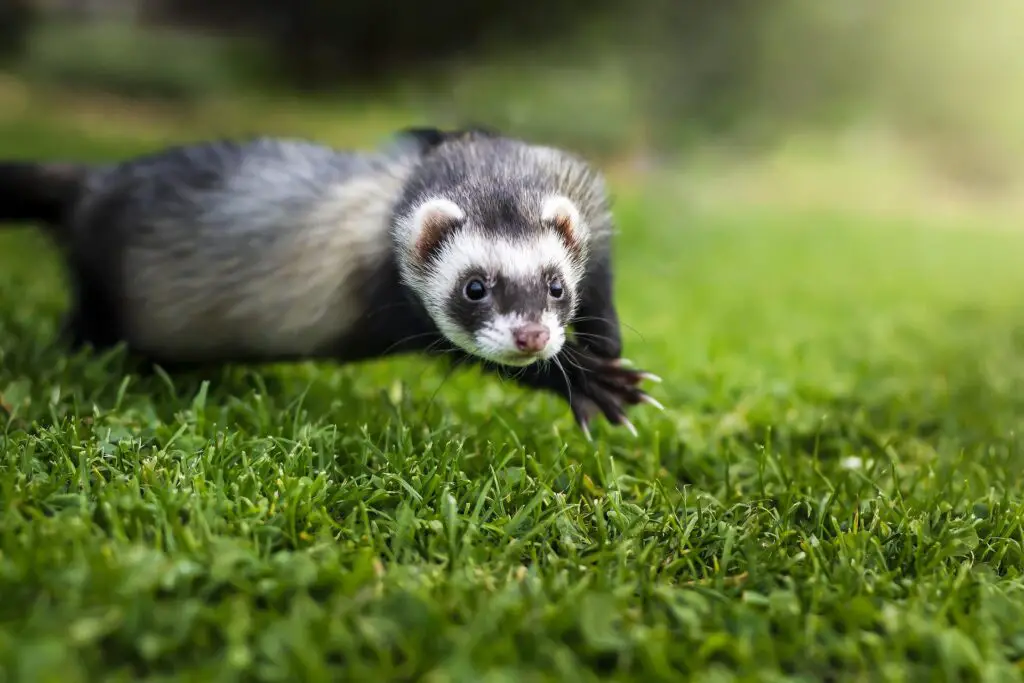
Ferrets love to explore, and they’re happiest when they have plenty of space to do so. While indoor playtime is essential, it’s also important to give your ferret time to roam outdoors. Make sure that you supervise them at all times, as there are dangers lurking in the great wide world. With caution and preparation, it is possible to safely let your furry friend enjoy some outdoor exploration time. Those who get used to playing outside will be less likely to hide indoors when frightened or stressed, making for a happier and healthier pet. Following these simple tips can help your ferret live an entire and adventurous life.