Are you a ferret owner who is soon going to be a first-time ferret parent? Congratulations! Getting ready for your new furry family member, you must understand how to handle a pregnant ferret. The following article provides all the information you need about pregnancy in ferrets, including how long it lasts, what symptoms to look for, and what care she will need during her pregnancy. So read on to get started!
Ferrets require special care during pregnancy. The following are some tips on looking after a pregnant ferret:
1. Make sure the ferret has plenty of fresh water to drink.
2. Feed the ferret a high-quality diet that is rich in protein and fat.
3. Provide the ferret with a clean, comfortable place to nest.
4. Take the ferret to the vet for regular checkups.
5. Be careful not to handle the ferret too much, as this can stress them out.
6. Keep your pregnant ferret warm and comfortable.
7. Groom her regularly to keep her coat healthy and free of parasites.
8. Ensure the ferret’s nest has plenty of soft bedding.
9. Prepare for the birth of your baby ferrets!
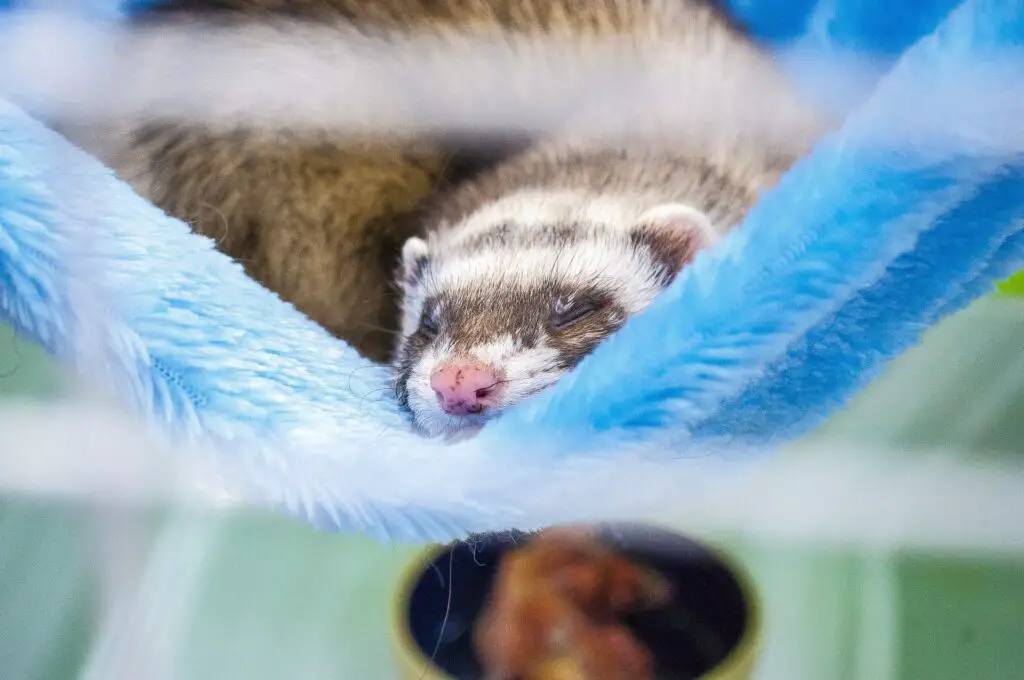
Pregnant ferrets require extra care and attention. Following this guide can help ensure a healthy pregnancy and delivery for your furry friend. Congratulations on becoming a ferret parent!
Do I need to provide any supplements for my pregnant ferret?
Pregnant ferrets have specific nutritional needs that must be met to ensure a healthy pregnancy. Unfortunately, most commercially available ferret foods do not provide the necessary nutrients, so pregnant ferrets often require supplements.
The most essential nutrients for pregnant ferrets include proteins, fatty acids, folic acid, and vitamins B like Riboflavin (B2), Thiamin (Bl), Cyanocobalamin (B12) and Pyroxidine (B6). Therefore, a pregnant ferret’s diet should be supplemented with these nutrients to ensure a healthy pregnancy. If you are unsure about what increases your pregnant ferret needs, it is best to consult your veterinarian or another animal health professional.
Does a pregnant ferret eat more times a day?
A pregnant ferret does indeed eat more in a day than a non-pregnant ferret. This is because, during pregnancy, the ferret’s body needs more nutrients to support the growing babies. As a result, the pregnant ferret will eat small meals more frequently throughout the day. If you have a pregnant ferret, it is vital to make sure that she has access to food at all times. This means keeping her food bowl full and stocking up on her favourite foods. Pregnant ferrets also tend to be more active than their non-pregnant counterparts, so it is essential to provide them with enrichment activities in order to keep them occupied. You can help ensure a healthy pregnancy for your ferret by meeting her increased needs.
Are there specific foods that I should feed my pregnant ferret?
For starters, you’ll want to ensure that she has plenty of protein in her diet. Protein is essential for proper fetal development and will also help keep your ferret’s energy levels up during her pregnancy. Good sources of protein for pregnant ferrets include chicken, turkey, fish, and eggs. You should also ensure that she’s getting plenty of fat, as this is another essential nutrient for fetal development. Good sources of fat for pregnant ferrets include placenta, milk, and cheese.
In addition to ensuring that your ferret is getting enough protein and fat, you’ll also want to ensure that she’s getting plenty of vitamins and minerals. For example, pregnant ferrets need more iron than non-pregnant ferrets, so be sure to include foods like red meat, dark leafy greens, and fortified kitten cereals or milk.

Will a pregnant ferret sleep more?
When a ferret is pregnant, she will usually sleep more than usual. Her body is doing everything it can to create a safe environment for her developing babies. During pregnancy, a ferret’s metabolism will slow down, and she will often suffer from fatigue. As a result, ensuring that your pregnant ferret has a quiet, comfortable place to rest is essential. Depending on whether and how many pets you have in your house, it may be necessary to provide your ferret with her own space during this time. Pregnant ferrets should also be fed a healthy diet and given plenty of water to drink. By providing your ferret with the care she needs during pregnancy, you can help her to have a healthy litter of baby ferrets.
How to prepare a nest for the mother and kits?
Preparing a nest for the mother and kits is essential to their survival. In order to start, you need to find a location that is suitable. The nest should be close to food and water sources and protected from the elements. Once you find a suitable place, you must gather materials to build the nest. The best materials for nesting are soft and absorbent, like blankets, sheets or potty pads. You will also need twigs or sticks to help build the structure of the nest. Once you have gathered the materials, you can start building the nest. The inside of the nest should be lined with soft material, and the outside should be supportive. Once the nest is complete, you need to place it in a safe location where the mother can access it easily. Finally, you need to monitor the nest regularly to make sure that it is clean and comfortable for the mother and kits. By following these steps, you can ensure that the mother and kits have a safe and comfortable place to live.

Should a pregnant ferret be kept alone?
Pregnancy is a delicate time for any animal, but Ferrets require special care during this period. Among other things, they are at risk of contracting a liver-inflammation disease. This disease can be deadly to both mother and baby if left untreated. Pregnant ferrets are also prone to developing anaemia, which can lead to weakness and fatigue. Ferrets have a six-week gestation period which is between 38 to 44 days. The pregnant Jill should be separated from any pets you have in your home, including the hob in the last week of her pregnancy. Additionally, she will need a quiet resting place and plenty of fresh food and water. Taking these precautions can help ensure a healthy pregnancy for your ferret.